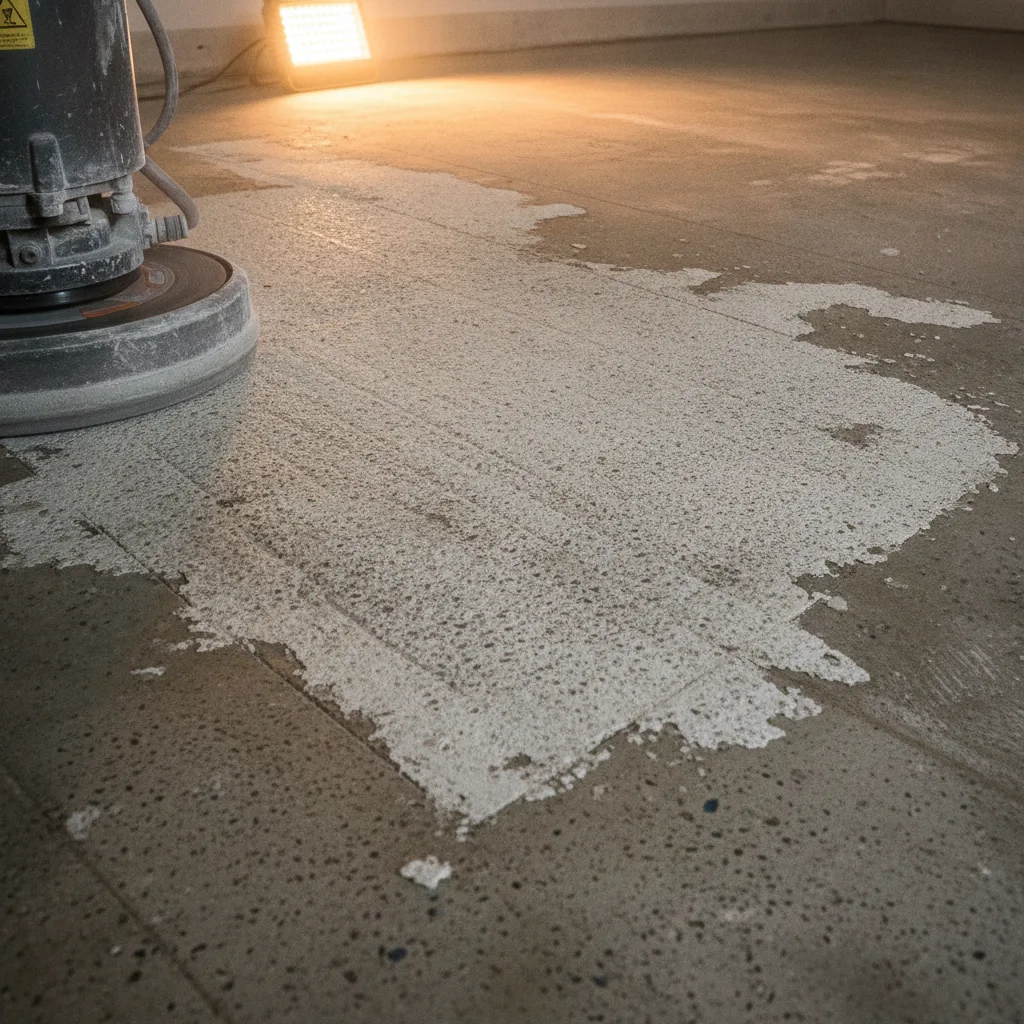
Garage Concrete Floor Sealer: When Sealing Isn’t Enough
A concrete garage floor sealer is a thin protective layer applied to bare slab to repel moisture, oil and light surface damage. It works fine for basic protection, but it sits on top of the concrete rather than bonding into it, which means heavy traffic, chemical spills and tyre friction can strip it back within a year or two, leaving you right where you started.
What does a concrete garage floor sealer actually do?
A concrete garage floor sealer forms a protective film over the slab surface that slows moisture penetration, makes cleaning easier and gives the floor a slight sheen. It does not structurally reinforce the concrete, fill existing cracks or provide meaningful resistance to abrasion from vehicle tyres or dropped tools. Think of it as a raincoat rather than a renovation.
There are two broad types most homeowners encounter. Penetrating sealers (silane or siloxane-based) soak into the pores of the concrete and repel water from within. Topical sealers (acrylic, polyurethane) sit on the surface and provide a visible finish. Both do a reasonable job in low-traffic areas like a garden shed or a single-car garage used mostly for storage. Push them into a working double garage with daily car movement and they tend to peel, flake or cloud over within 12 to 18 months.
Application is also straightforward enough that plenty of people attempt it themselves. You clean the floor, let it dry thoroughly, roll on the sealer and wait. The problem is that proper preparation, particularly opening up the concrete surface so the product bonds well, is harder than it looks. A sealer rolled onto a glazed or contaminated slab will peel faster than one on a properly prepared surface, and most DIY prep does not go far enough.
When does a garage floor sealer start to fail?
A garage floor sealer starts to fail when it faces conditions beyond its design limits: repeated tyre scuffing, oil or fuel drips, pressure washing and freeze-thaw cycles. Most acrylic sealers are simply not thick or hard enough to handle a working garage. You will usually notice failure first as whitish patches (called blushing), followed by peeling at high-traffic entry points, then oily patches bleeding back through where the sealer has lifted.
Tyre marks are one of the most common complaints. Hot rubber from a car that has been driven for even 10 minutes will bond to many topical sealers, pulling chunks away when the car moves. This is called tyre pick-up, and it is a well-documented problem with acrylic garage floor sealers. Some polyurethane formulas handle it better, but they still have a finite service life under constant vehicle traffic.
Oil is the other great enemy. A concrete garage floor sealer can be saturated by a slow leak over weeks, and once oil soaks through, you have a contamination problem that no sealer coat will fix without first grinding or shot-blasting the slab. Many people re-coat over an oil-affected floor, and the new sealer simply peels away because there is nothing clean for it to grip.
Weather plays a role too. In Melbourne, where summer heat regularly pushes slabs to temperatures that thin-film coatings struggle with, the expansion and contraction of the concrete can crack a rigid sealer film. You end up with a spiderweb of hairline cracks across the surface that lets moisture back in, which defeats the whole point.
How is an epoxy or polyaspartic coating different from a sealer?
An epoxy or polyaspartic garage floor coating is chemically bonded to the concrete rather than simply sitting on top of it. Coating systems are typically 2 to 10 times thicker than a topical sealer, they cure harder, and they are specifically engineered to resist tyre abrasion, hot tyre pick-up, chemical spills and the kind of impact loads a working garage sees every day. A sealer buys you time; a quality coating buys you years.
The key difference is in the system. A professionally applied epoxy coating starts with mechanical preparation, usually diamond grinding, which opens up the concrete profile so the epoxy can physically key into the slab rather than just rest on the surface. Then a base coat goes down, followed by broadcast decorative flakes if you want them, and a topcoat that seals everything in. The result is a floor that is genuinely hard, seamless and resistant to the things that destroy a standard sealer.
Polyaspartic coatings, which are a type of polyurea, go down even faster and cure in a fraction of the time of epoxy, making them practical for a one-day installation even in Melbourne’s variable weather. They also hold up well to UV exposure, so they will not yellow under the afternoon sun coming through an open roller door the way some epoxy formulas can.
For context on thickness: a quality two-coat epoxy system sits at around 250 to 500 microns dry film thickness. A typical acrylic garage sealer is around 30 to 80 microns. That difference in build is why the two products perform so differently under real working conditions.
Is it worth sealing first before getting a full coating?
No, sealing a garage floor before a professional coating is applied is generally not worth doing and can actually cause problems. Coating contractors need bare, mechanically prepared concrete to get a proper bond. A sealer already on the floor needs to be ground back off before the epoxy or polyaspartic can go down. You end up paying twice for preparation work, and the sealer gives you no lasting benefit in the meantime.
If you are planning to upgrade your floor in the next year or two, the smarter move is to skip the sealer entirely. Keep the floor clean and manage oil spills with absorbent compounds or kitty litter. When you are ready for a proper coating, a professional will grind the surface back to clean concrete and start with a solid base.
The only scenario where a temporary sealer makes real sense is if you are renting and cannot install a permanent coating, or if you are preparing to sell and need the floor to look presentable for a short period without committing to a full renovation. Even then, use a quality penetrating silane sealer rather than a surface acrylic, because it will not peel and will not interfere as much with any future coating work.
What should you look for in a long-term garage floor solution in Melbourne?
For a long-term garage floor solution in Melbourne, look for a system that includes mechanical surface preparation (diamond grinding, not acid etching alone), a moisture barrier or primer coat appropriate for your slab age and condition, a durable mid-coat in epoxy or polyaspartic, and a UV-stable topcoat. A reputable local installer who can inspect the slab first and advise on any moisture or crack issues is worth far more than the cheapest quote.
Melbourne’s climate adds a couple of specific considerations. The city gets enough humidity variation and warm summers that moisture vapour transmission through older slabs is a genuine issue. A good installer will test for this before applying product. Slabs that show moisture will need a specific primer that can tolerate damp conditions, otherwise the coating can bubble or delaminate within months.
Decorative flake systems, where vinyl flakes are broadcast into the wet base coat before the topcoat goes on, are worth considering beyond just looks. The flake broadcast creates a slight texture that improves slip resistance on a wet floor, which matters in a space where you might walk in from the rain with wet shoes. They also hide minor surface imperfections in older concrete and give the finished floor a depth of finish that a plain sealer simply cannot match.
Choosing a contractor who uses quality commercial-grade products and can show you completed work in your area is the best protection against a coating that fails early. Ask about warranty terms, and find out specifically whether tyre pick-up and delamination are covered. Any serious installer will stand behind their work.
Upgrade your garage floor with a coating from Metal and Flake.