Concrete Floor Sealer or Epoxy in Sunbury? Making the Right Call
A concrete floor sealer in Sunbury protects your slab with a thin, penetrating or film-forming coat that repels moisture and stains. Epoxy is a two-part resin system that bonds to the concrete surface and builds up a hard, decorative coating several millimetres thick. The right choice depends on traffic load, moisture conditions, budget and the look you are after.
What exactly is a concrete floor sealer and how does it differ from epoxy?
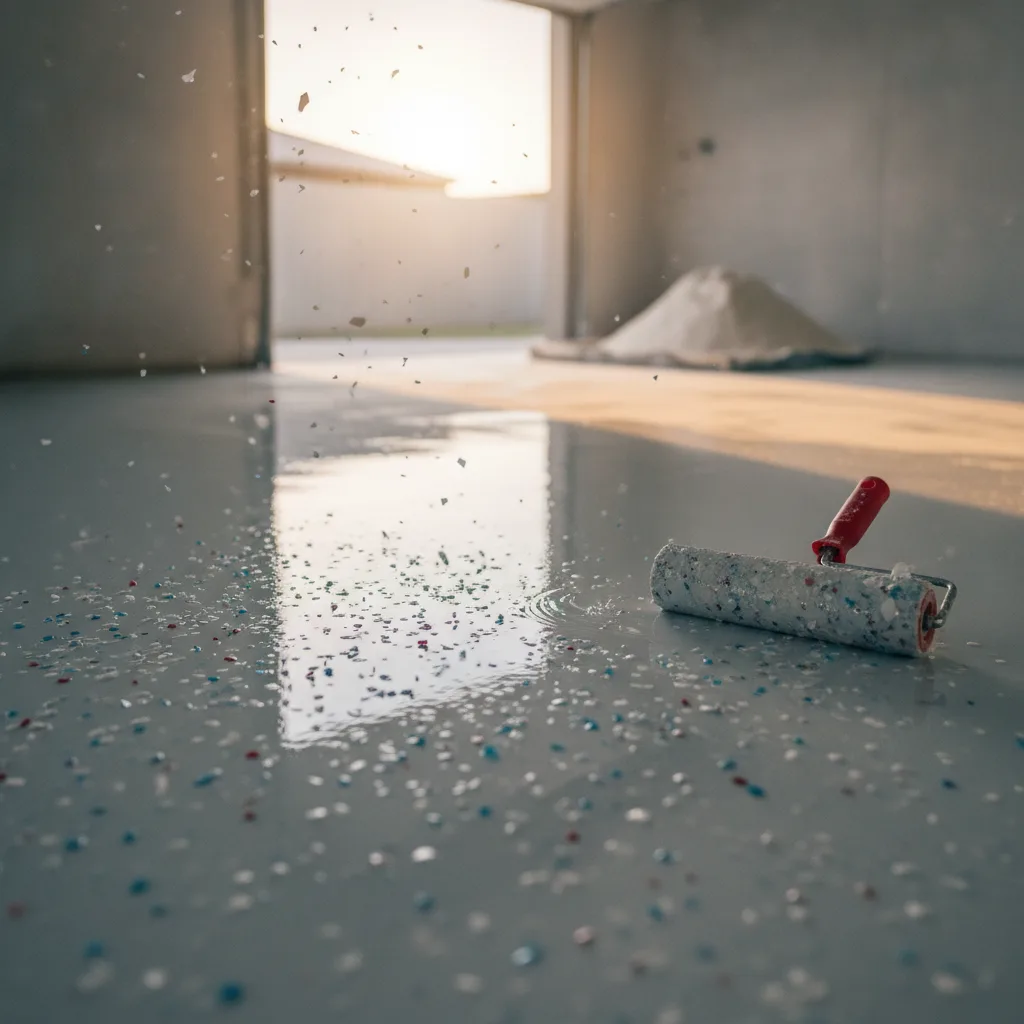
A concrete floor sealer is a coating, either penetrating or topical, that protects the surface without dramatically changing its appearance. Penetrating sealers soak into the pores and harden the concrete from within. Topical sealers sit on top and add a sheen. Neither adds meaningful structural thickness. Epoxy, by contrast, is a two-component system: a resin and a hardener that chemically react to form a rigid, load-bearing film typically between 0.5 mm and 3 mm thick, with decorative options like metallic pigments and vinyl flakes built right in.
The practical upshot is this: a sealer is a protective maintenance product, while epoxy is a full floor upgrade. They serve different purposes and the confusion between them costs homeowners and business owners money every year when they pick the cheaper option and have to redo the job eighteen months later.
Which option handles Sunbury’s conditions better?
Sunbury and the broader north-west corridor of Melbourne experience a wide temperature swing, with summer days regularly topping 38 degrees and cold, damp winters. That thermal cycling causes concrete to expand and contract. A thin topical sealer can crack, peel or cloud under that stress, especially on slabs that were not properly prepared before coating. A quality epoxy system, because it is bonded mechanically and chemically to the concrete after diamond grinding, flexes with the slab far better and resists hot-tyre pickup, a common failure point in garages during our hot summers.
Moisture is the other factor. Many Sunbury properties, particularly older homes and those on clay-heavy ground, have slabs that wick moisture from below. A sealer applied over a damp slab will bubble and delaminate quickly. Epoxy installers test for moisture vapour transmission before they start. If moisture readings are high, the slab needs a moisture-tolerant primer before any coating goes down. Skipping that step is the single most common reason floors fail within the first year.
When does a concrete floor sealer in Sunbury actually make sense?
A concrete floor sealer makes sense when the slab is sound, moisture levels are low, the area sees light foot traffic only, and the goal is basic dust-proofing or a natural-look finish on a tight budget. Typical use cases include garden sheds, workshop areas with low chemical exposure, and decorative indoor concrete that the owner wants to preserve rather than transform. A penetrating lithium silicate sealer, for example, is a durable and cost-effective choice for a concrete pathway or utility area where appearance is secondary.
If you are looking at a garage that parks two or three vehicles, a commercial workshop, a showroom, a laundry or a main living area with polished concrete, a sealer is almost always the wrong call. The traffic, the chemical spills, the tyre marks and the foot traffic will have it looking tired within a season. That is the conversation worth having before spending a dollar on materials.
What makes epoxy the preferred choice for garages and commercial floors?
Epoxy earns its place in garages and commercial spaces because of its combination of hardness, chemical resistance and finish options. A properly installed epoxy system can handle the weight of a loaded ute, resist brake fluid, oil and fertiliser, and still look sharp after years of use. Decorative options like metallic swirls and vinyl colour flakes, the signature finishes that Metal and Flake specialises in, turn a plain grey slab into a surface that genuinely lifts the space.
The installation process matters enormously. Diamond grinding the slab opens the concrete’s pores so the epoxy primer bonds mechanically, not just chemically. A floor that has been ground to the right profile, checked for moisture, primed correctly and then coated in multiple layers will typically outlast a rolled-on sealer by a factor of five to ten years in a garage environment. The upfront cost is higher, but the cost per year of service is almost always lower.
One concrete detail worth knowing: the Concrete Institute of Australia’s guidelines recommend surface preparation to a concrete surface profile (CSP) of 3 to 4 for epoxy systems. That level of profile is achievable only with mechanical grinding, not acid etching or hand sanding. If a quote does not mention diamond grinding, that is a red flag worth asking about.
How do you know which one your slab actually needs?
The honest answer is that you need someone to look at the slab in person before making a call. A quick visual check will reveal previous coatings, crack patterns and surface contamination. A plastic sheet taped flat to the slab overnight will tell you whether moisture is migrating up through the concrete. A hardness test will flag whether the surface is too soft or too porous for a standard epoxy primer, which matters on older slabs in established Sunbury suburbs.
There is no universal answer because no two slabs are the same. A shed floor poured twenty years ago on free-draining gravel behaves completely differently from a garage slab on reactive clay with no vapour barrier underneath. Getting a professional floor assessment before committing to either product saves money, time and the frustration of watching a coating fail six months after you paid for it.
At Metal and Flake, we focus on epoxy and decorative resin flooring across Melbourne and the north-west, including Sunbury and surrounding areas. If you are weighing up whether a sealer will do the job or whether your floor genuinely needs an epoxy system, the first step is a proper look at what you are working with.
Book a floor assessment in Sunbury with Metal and Flake