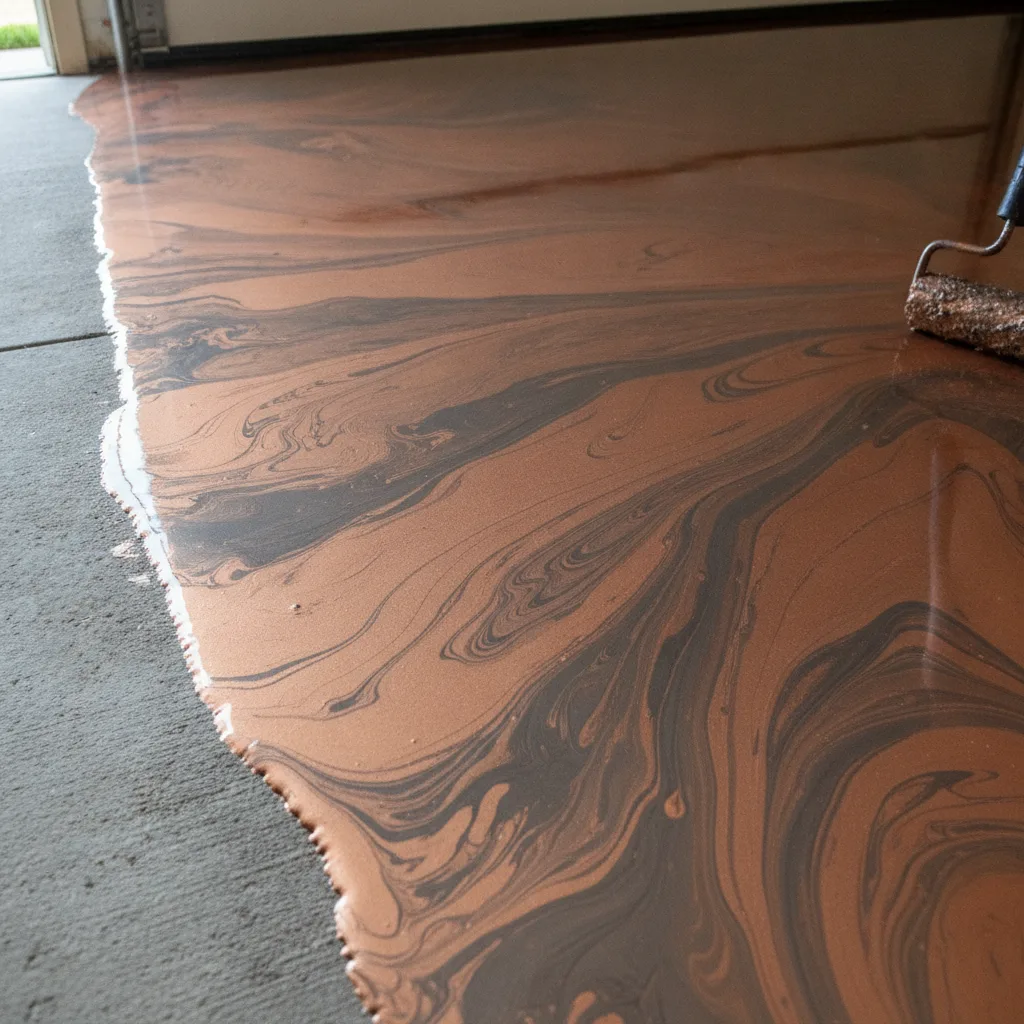
Metallic Epoxy Floors: How They Work and What They Cost
A metallic epoxy floor is a resin coating system that uses metallic pigment powders suspended in a clear or tinted epoxy base to create a deep, three-dimensional finish. The pigments shift and swirl during application, producing a unique marbled or molten-metal effect. Costs in Melbourne typically range from $80 to $150 per square metre depending on floor condition, system thickness and finish complexity.
What exactly is a metallic epoxy floor and how does it work?
A metallic epoxy floor combines a two-part epoxy resin with finely milled metallic pigments, usually mica or aluminium-based powders, that are broadcast or blended into a base coat. Once applied, the installer uses air movement, rollers or brushes to push the pigment into swirls, waves or lobe patterns. The top clear coat locks everything in place, giving the floor its high-gloss depth.
The science behind the look is pretty straightforward. The metallic particles have different densities, so they settle and travel at slightly different rates as the epoxy levels out. That natural movement is what creates the flowing, almost liquid appearance that you can never quite replicate twice. Every pour is genuinely one-of-a-kind, which is one of the reasons homeowners and commercial fit-out clients alike chase this finish.
The system typically goes down in three layers: a penetrating primer that bonds to the concrete substrate, the pigmented metallic base coat, and a UV-stable polyurethane or clear epoxy topcoat. The topcoat is what protects the visual layer from foot traffic, chemicals and abrasion. Without it, the metallic pigment would dull and scratch within months.
Where are metallic epoxy floors most commonly installed?
Metallic epoxy floors are most commonly installed in residential garages, living areas, commercial showrooms, gyms and retail spaces where the owner wants a striking visual finish alongside practical durability. The system suits any slab that is structurally sound and has been properly prepared, making it versatile across both new builds and renovations.
In Melbourne, the most popular applications tend to be residential garage floors and open-plan living areas. A polished garage floor with a gunmetal or copper metallic finish has become a real selling point in newer homes across the outer suburbs. On the commercial side, boutique gyms, car dealerships and food-grade production areas use metallic systems because the seamless surface resists moisture and is easy to clean.
It is worth knowing that metallic epoxy is not the right call for every situation. Very damp slabs, outdoor areas exposed to direct UV without a UV-stable topcoat, or floors with significant movement cracks all need careful assessment before you commit to the system. A reputable installer will test the concrete for moisture vapour transmission before quoting, because an improperly prepped slab is the single biggest cause of delamination failures in the industry.
What does a metallic epoxy floor cost in Melbourne?
In Melbourne, a professionally installed metallic epoxy floor generally costs between $80 and $150 per square metre for a standard residential job, with commercial and industrial projects sometimes exceeding that range depending on substrate work, coating thickness and finish specification. A typical double garage of around 36 square metres would therefore sit somewhere between $2,900 and $5,400 fully installed.
Several factors move the price up or down. Concrete grinding and preparation is usually the biggest variable. If your slab has paint, old adhesive, surface contamination or minor cracking, expect to spend more on prep work before a single drop of epoxy goes down. Cutting corners on preparation is how floors fail, so this is not an area where a decent installer will compromise.
The number of coats and the topcoat specification also affect cost. A basic two-coat system with a standard epoxy clear is cheaper than a three-coat system finished with a 100-micron aliphatic polyurethane that resists yellowing and tyre marks. For a garage, the premium topcoat is usually worth the extra spend because hot rubber from tyres can permanently mark a softer clear coat over time.
Anti-slip additives, flake blending (mixing decorative vinyl flakes into the metallic system for a different texture), and custom colour matching all add to the bill. But given that a well-applied metallic floor will last 10 to 20 years with basic maintenance, the per-year cost often works out cheaper than tiles or polished concrete when you factor in ongoing upkeep.
How long does a metallic epoxy floor installation take?
Most metallic epoxy floor installations take two to three days from start to finish: one day for surface preparation and priming, one day for the metallic base coat, and a final visit for the topcoat once the base has cured. Light foot traffic is usually safe after 24 hours, with full vehicle traffic possible after five to seven days depending on ambient temperature.
Melbourne’s weather matters here. Epoxy cures through a chemical reaction that slows down significantly in cold conditions. In winter, especially in Melbourne’s west and outer east where overnight temperatures can drop below 10 degrees Celsius, installers may need to add catalyst adjustments or allow extended cure windows. A good installer will schedule around temperature forecasts and never apply epoxy to a cold slab first thing on a frosty morning.
The preparation phase is always the most time-consuming part. Diamond grinding or shot blasting the concrete to an open, profiled surface is not quick work, but it is what makes the bond permanent. Homeowners who have had a previous epoxy job fail are often surprised to learn the installer spent less than an hour on prep. That is almost always the cause.
How do you maintain a metallic epoxy floor once it is installed?
Maintaining a metallic epoxy floor is straightforward: sweep or vacuum regularly to remove grit that can scratch the topcoat, mop with a pH-neutral cleaner when needed, and avoid dragging sharp metal objects across the surface. With basic care, a quality system should retain its gloss and visual depth for well over a decade without needing to be recoated.
For garage floors, placing rubber matting under a vehicle’s turning point reduces the risk of hot-tyre marking. In commercial spaces, felt pads under furniture legs and regular mopping with a diluted neutral cleaner are about all the maintenance that is needed. Avoid harsh solvents and bleach-based cleaners, as these can dull or micro-etch the topcoat over time.
If the topcoat does eventually show wear, it can usually be cut back lightly and a fresh coat applied without stripping the entire system. That is a significant advantage over painted floors or tiles, where localised repairs tend to look patchy. The metallic base coat itself stays intact beneath, so a topcoat refresh brings the whole floor back to life at a fraction of the original installation cost.
Request a metallic epoxy floor installation quote from Metal and Flake.