Garage Makeover Before and After: Real Melbourne Transformations
A garage makeover before and after with epoxy flooring typically turns stained, pitted grey concrete into a smooth, high-gloss surface in one to two days. The process involves grinding the slab, applying a moisture-blocking primer, then laying a metallic or flake epoxy coat that resists oil, tyre marks and heavy foot traffic for years.
What does a garage floor look like before epoxy coating?
Before epoxy coating, most Melbourne garage floors share the same story: bare grey concrete marked by oil drips, tyre scuffs, old paint bleed and the occasional crack from years of ground movement. The slab is porous, which means every spill soaks straight in and every hosing-down just pushes dirt around without really cleaning anything.
It is a surface that was never meant to be looked at. Most homeowners use the garage for storage, car parking and the odd weekend project, so the floor gets ignored until it becomes genuinely embarrassing. That is usually the moment people start searching for a fix. The good news is the concrete underneath is almost always in perfectly usable condition. Grinding back the top layer reveals a clean, solid base that holds an epoxy system beautifully once the moisture and contamination are dealt with properly.
How does the garage makeover before and after process actually work?
A professional epoxy garage makeover before and after runs through three main stages: surface preparation, the coating system itself, and a cure period before you drive on it. Each stage matters equally, and skipping or rushing any one of them is why DIY kits rarely hold up past the first Melbourne summer.
Surface preparation is the non-negotiable foundation. A diamond-grind of the concrete opens the pores of the slab so the epoxy bonds at a mechanical level, not just a chemical one. Any cracks or spalls get filled at this point. Then comes the primer coat, which seals against moisture vapour rising through the slab. This step alone separates professional results from peeling weekend projects.
The decorative coat goes on next. For metallic finishes, pigmented resin is manipulated with a leaf blower and notched squeegee to create the flowing, three-dimensional look you see in finished photos. For flake floors, vinyl colour flakes are broadcast into a wet base coat until full coverage is achieved, then the excess is scraped back and locked in with a clear topcoat. The topcoat adds UV stability and the hard, chemical-resistant surface that handles everything a busy garage throws at it.
Foot traffic is usually possible within 24 hours. Vehicles should wait a full 72 hours, and full cure for heavy loads takes around seven days. That timeline is consistent whether the job is a single-car garage in Ringwood or a double in Frankston.
What results can you expect from a Melbourne epoxy garage floor?
The before-and-after difference is dramatic enough that most clients say they wish they had done it years earlier. A floor that was an embarrassment becomes something people genuinely show off. Beyond the looks, the practical results matter just as much.
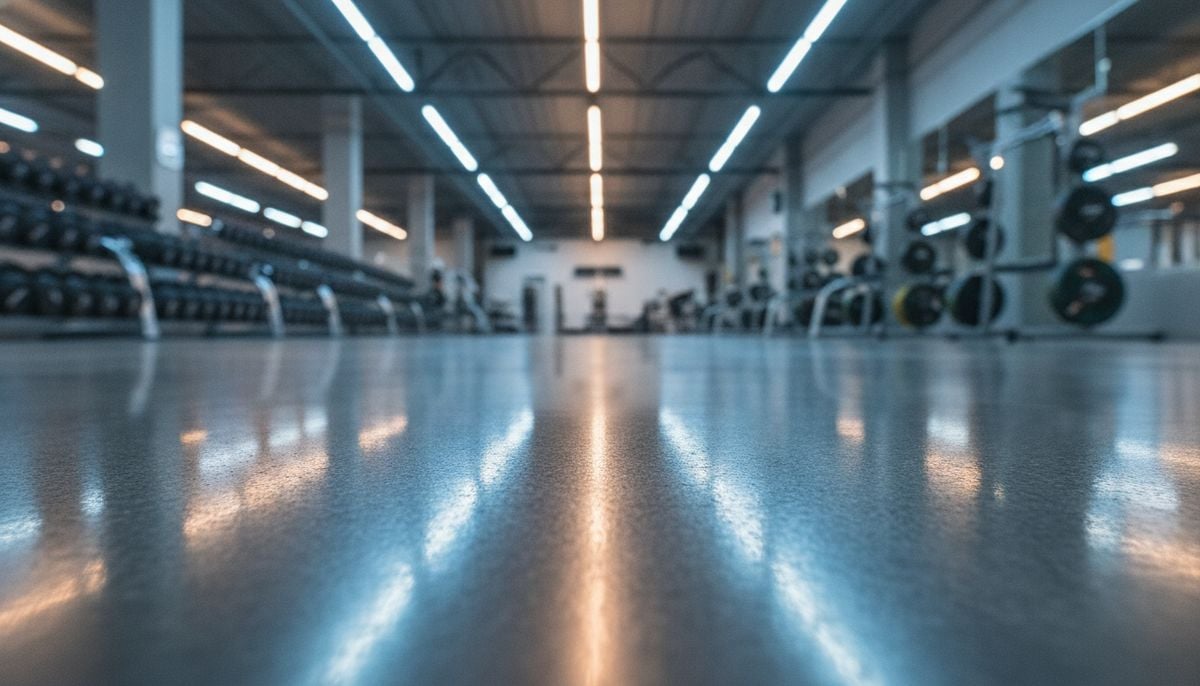
Epoxy-coated concrete is far easier to keep clean. Oil drips wipe up with a rag. Tyre marks come off with a mop. The high-gloss surface also reflects light, which makes a big difference in garages that run off a single fluorescent tube. Several Metal and Flake clients have noted they no longer need extra lighting after the floor went in, because the surface itself bounces light around the space.
Durability is the other headline result. A properly installed epoxy system, one where the slab was ground to the right profile and the primer addressed moisture, should last well over a decade under normal residential use. The topcoat can be buffed and resealed if it loses gloss after many years, without stripping the whole system back. That longevity makes the upfront cost look very different compared to replacing rubber mats or repainting bare concrete every couple of seasons.
Which epoxy finish works best for a garage makeover in Melbourne?
For most Melbourne garages, a full-broadcast vinyl flake system or a metallic epoxy finish are the two finishes worth considering. Both handle the demands of a working garage, but they deliver a different look and suit different priorities.
Flake floors are the more forgiving of the two. The multi-coloured chip pattern hides minor dust and light dirt between cleans, and the texture from the flakes adds slip resistance when the floor is wet. Colour combinations are almost unlimited, from neutral greys and beiges to bold charcoal-and-white mixes that suit a more modern fit-out. Flake systems are a consistent favourite for households with kids, dogs and regular weekend car washing.
Metallic finishes make a stronger visual statement. The swirling, lava-flow effect that comes from working the pigment mid-pour produces a result that reads more like polished stone than a painted floor. Each metallic pour is unique, which means your floor cannot be replicated. These systems work especially well in garage showrooms, man caves and double garages that double as entertaining or workshop spaces.
Both systems use the same underlying build: grind, prime, base coat, decorative layer, topcoat. The choice is aesthetic. If you are unsure, looking at real before-and-after photos from completed Melbourne jobs is the fastest way to settle on a direction.
What should Melbourne homeowners know before booking a garage floor coating?
A few practical things will make your project run smoothly. First, the garage needs to be empty on the day of grinding. The diamond grinder gets into all four corners and up to the edges, and anything sitting on the floor has to move. Most single-car jobs can be cleared in under an hour.
Second, check for moisture. Garages built on older slabs, particularly in areas like the Mornington Peninsula or the outer eastern suburbs where clay soil movement is common, can have higher moisture-vapour transmission. A good installer will do a simple plastic-sheet test before committing to a system. This is not a blocker, it just determines which primer is needed.
Third, fresh concrete is not ready for epoxy. New slabs need at least 28 days to cure before any coating goes on, and some installers prefer to wait longer if conditions have been wet. If you are building a new garage or shed, factor this into your timeline.
Finally, be realistic about colour. On-screen photos are a guide, not a guarantee. Metallic pours especially vary with temperature, humidity and how the installer works the product on the day. Ask to see physical sample boards and, where possible, visit a completed job in person. Melbourne’s epoxy flooring community is small enough that most installers can point you to a nearby finished floor you can walk on before you commit.
See more Metal and Flake transformations and book your makeover.