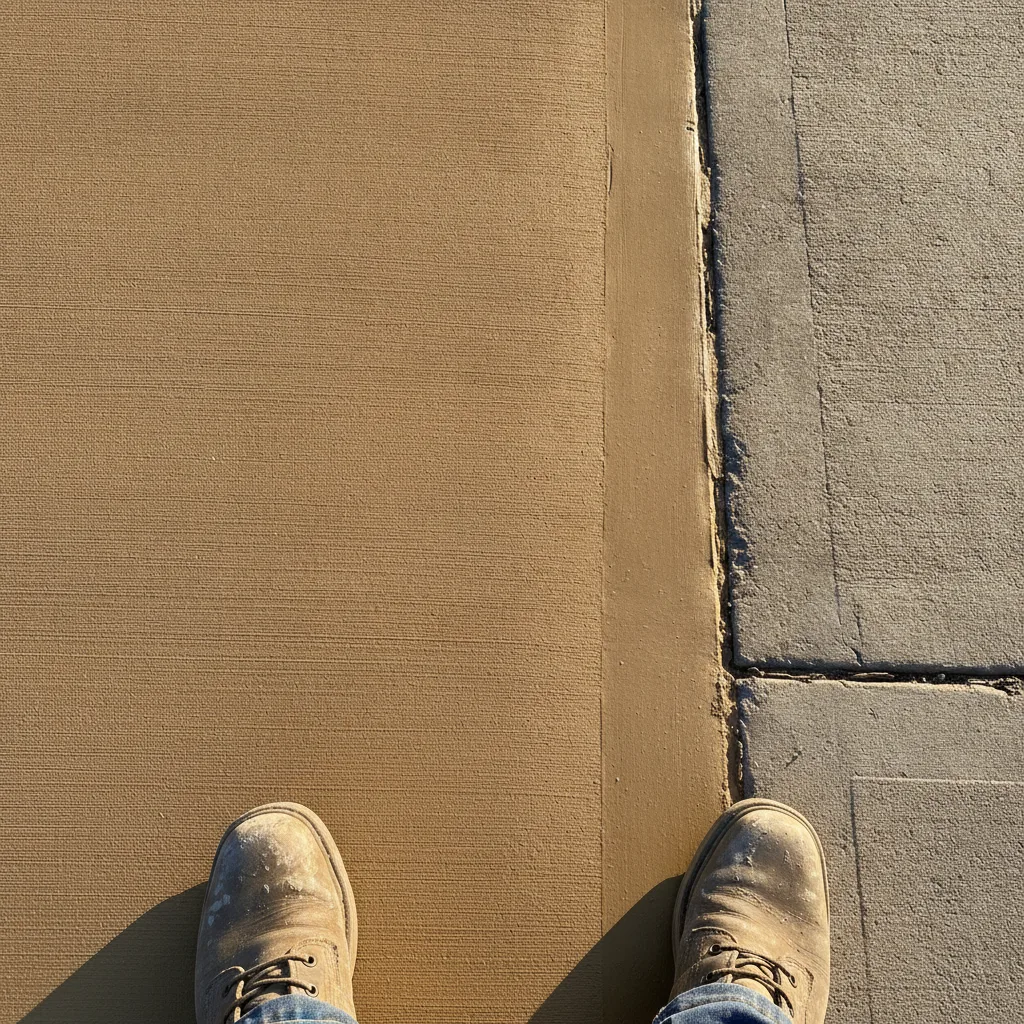
Cement Driveway Resurfacing in Melbourne: Costs, Methods and Results
Cement driveway resurfacing is the process of applying a new wear layer over an existing concrete slab to repair surface damage, update the look and extend the life of the driveway without the cost of a full tearout. In Melbourne, a typical residential driveway can be resurfaced for roughly $40 to $100 per square metre depending on the method chosen, the condition of the existing slab and the finish selected.
What exactly is cement driveway resurfacing and how does it differ from replacement?
Cement driveway resurfacing bonds a new coating or overlay directly onto the old concrete surface, hiding cracks, spalling and staining while leaving the structural slab in place. Replacement means ripping out the old slab entirely, disposing of the rubble, re-forming the area and pouring fresh concrete. Resurfacing is usually a fraction of the cost and can be completed in one or two days rather than a week or more.
The key question is whether the existing slab is structurally sound. Surface cracks up to about 3 mm wide, minor spalling and general weathering are all candidates for resurfacing. If the slab is heaving, crumbling at depth or showing full-depth structural cracks, a new pour is the honest answer. A good contractor will tell you which situation you are in before quoting anything.
In Melbourne, concrete driveways laid during the 1970s and 1980s are now reaching the end of their decorative life while still being structurally solid. That is the sweet spot for resurfacing. You get a result that looks brand new without the skip bin, the week of no access and the five-figure bill.
What are the most common cement driveway resurfacing methods?
The most common methods for cement driveway resurfacing are plain concrete overlay, exposed aggregate overlay, stencilled concrete and epoxy or polyurethane coating systems. Each suits different budgets and aesthetic goals, and each has a different thickness, cure time and expected lifespan. The right choice depends on what the existing surface looks like and what the homeowner wants to end up with.
Here is a plain breakdown of the main options:
- Concrete overlay or resurfacer. A polymer-modified cementitious product, typically 2 to 6 mm thick, is spread over the prepared slab. It can be left plain, broomed for grip or tinted. It is the most budget-friendly option and suits driveways that just need a fresh face.
- Stencilled concrete overlay. The same overlay product is applied, then a stencil pattern is pressed in before it sets. The result mimics pavers or tiles at a fraction of the paver cost. Coloured sealers lock in the finish and add weather resistance.
- Exposed aggregate overlay. A seeded or broadcast aggregate is pressed into the overlay surface and the cement cream is washed off once it reaches the right strength. This gives a textured, slip-resistant finish that suits Melbourne driveways exposed to wet winters.
- Epoxy or polyurethane coating. A resin-based system is applied directly to the prepared concrete. These systems are more common in garages (where Metal and Flake specialises) but are used on covered or semi-covered driveways where UV exposure is limited, since standard epoxies yellow outdoors. Polyaspartic and polyurethane topcoats handle UV far better and are worth considering for open driveways that need a high-gloss, durable finish.
Surface preparation is the same across all methods: grind or shot-blast the slab to open the pores, repair any cracks with a flexible filler, clean out oil contamination and check for moisture. Skip that step and the overlay will delaminate within a year, no matter how good the product is.
How much does cement driveway resurfacing cost in Melbourne?
Cement driveway resurfacing in Melbourne typically costs between $40 and $100 per square metre for most overlay and coating systems, with plain resurfacer at the lower end and decorative systems with multiple colour coats and a premium sealer sitting at the higher end. A standard double driveway of around 40 square metres would therefore land somewhere between $1,600 and $4,000 all up, including labour and materials.
A few things push the price up or down:
- Crack repairs. Minor crack chasing and filling is usually included in a quote. Extensive structural repair is charged separately and rightly so.
- Access and set-up. A straight run from the street is quick. A narrow side-access driveway with steps, garden beds and tight corners adds time.
- Number of coats and finish type. A single-colour stencilled finish with one sealer coat is faster than a multi-layer flake system with a high-build topcoat.
- Grinding versus acid etching. Mechanical grinding gives better adhesion and is worth the extra cost. Some cheaper operators still acid-etch, which is less reliable on contaminated or previously sealed concrete.
As a real-world reference point, the Cement Concrete and Aggregates Australia industry body notes that decorative concrete overlays have become one of the most popular renovation options for existing residential concrete in the past decade, largely because the cost-to-result ratio is hard to beat compared with pavers or new pours.
How long does a resurfaced driveway last in Melbourne conditions?
A well-prepared and properly applied cement driveway resurfacing job in Melbourne should last between 10 and 20 years under normal residential use. The Melbourne climate, with its UV load in summer and wet, frost-free winters, is actually reasonably kind to concrete overlays compared with colder climates where freeze-thaw cycling is an issue. The biggest enemy is poor surface prep, not the weather.
Maintenance matters too. Resealing a decorative overlay every three to five years keeps water out of the surface and maintains colour intensity. That is a simple job any homeowner can do with a roller and a compatible sealer purchased from a concrete supplies shop.
Traffic is the other factor. A driveway that takes daily car parking will wear differently to one used mainly as a path to the front door. Polyurethane and polyaspartic topcoats hold up better under tyre scuff and chemical spills from cars than standard acrylic sealers, so they are worth the extra spend if the car parks in the same spot every day.
How does driveway resurfacing connect to epoxy flooring for garages?
Driveway resurfacing and garage floor coatings are closely related because the substrate, a concrete slab, and the preparation process are essentially the same. At Metal and Flake, the team specialises in epoxy and decorative flooring systems for garages and interior concrete floors across Melbourne and surrounds. The same attention to surface prep, product selection and finish quality that goes into a high-gloss garage floor applies to any concrete resurfacing project.
If you are already looking at resurfacing the driveway, it makes sense to think about the garage floor at the same time. Having one contractor handle both areas means consistent prep standards, one mobilisation cost and a finish that reads as a deliberate design choice rather than a patchwork of different products.
Metal and Flake works with homeowners across Melbourne who want a concrete surface that performs as well as it looks. Whether it is a flake system in the garage, a metallic epoxy in a showroom-style space or advice on the best coating for a driveway that connects directly to an internal garage, the team is the right first call.
Get a driveway resurfacing quote today