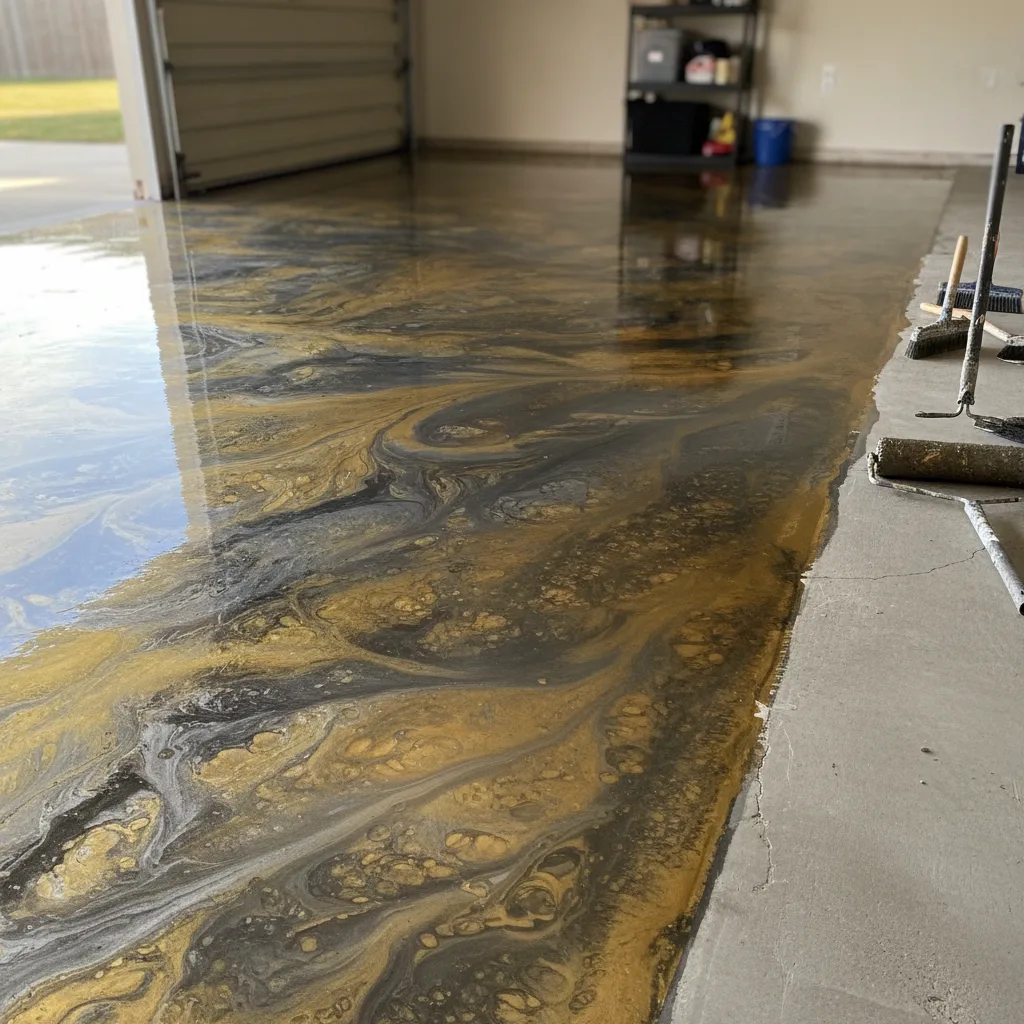
Metallic Epoxy Flooring in Reservoir: What Local Homeowners Choose
Metallic epoxy flooring in Reservoir is popular because it gives garages, living areas and commercial spaces a durable, high-gloss finish with a unique swirling depth that plain paint or tiles simply cannot match. It bonds hard to concrete, resists staining and heavy foot traffic, and lasts well over a decade with basic maintenance. Most Reservoir homes see it installed over a weekend.
What exactly is metallic epoxy flooring and how does it work?
Metallic epoxy flooring is a two-part resin system mixed with fine metallic pigment powder, then rolled or trowelled onto prepared concrete. As the product self-levels, the pigments shift and flow to create a three-dimensional, marble-like effect. No two floors look identical. Once cured, the surface is sealed with a clear topcoat that locks in the look and hardens the finish against scuffs, chemicals and moisture.
The metallic effect comes from aluminium or mica-based pigments suspended in the resin. Installers use a leaf blower or brush to push the wet epoxy and create deliberate movement in the pigment. That technique is what separates a good metallic floor from a flat, lifeless one. A skilled applicator controls the direction and intensity of the swirl, working quickly before the pot life expires, typically inside 20 to 30 minutes depending on temperature.
In Melbourne’s climate, ambient temperature matters a lot. Cooler winter mornings in Reservoir slow the cure and give the installer more working time. Summer afternoons speed things up considerably, so experienced crews often start early and work in stages.
Why are Reservoir homeowners choosing metallic epoxy over tiles or plain epoxy?
Reservoir homeowners choose metallic epoxy because it combines a high-end visual result with practical toughness at a lower total cost than tiling a garage or polishing concrete. Unlike plain grey epoxy, metallic finishes hide minor scratches and imperfections in the pigment pattern, making them particularly forgiving in busy family garages or workshop spaces.
Tiles crack at the grout lines under heavy vehicles and are a nightmare to re-grout. Standard paint chips within a year. Plain solid-colour epoxy looks fine, but it shows every scuff and tyre mark. Metallic epoxy sits in a different category because the swirling pattern naturally disguises daily wear, meaning the floor still looks sharp three or four years down the track without any touch-ups.
Cost-wise, a properly installed metallic epoxy floor in a standard double garage (around 36 to 40 square metres) typically runs between $2,500 and $4,500 depending on the condition of the slab, the complexity of the colour chosen, and the number of coats applied. That is generally less than a comparable tile job once you factor in adhesive, grout, and labour.
Resale appeal is another factor local homeowners mention. A well-finished floor photographs beautifully and gives an otherwise ordinary garage or rumpus room a renovated feel without a full structural overhaul.
What does the metallic epoxy flooring installation process look like?
The metallic epoxy installation process starts with concrete preparation, which is always the most critical step. The slab is diamond-ground or shot-blasted to open the concrete’s pores and give the epoxy a mechanical key to bond to. Any cracks are filled with a flexible filler before coating begins. Skipping or rushing this step is the single biggest reason floors peel.
Once the surface is clean, dry and profiled, the process runs roughly like this:
- Primer coat: A penetrating epoxy primer goes down first to seal the slab and prevent outgassing bubbles from forming in the topcoat.
- Metallic base coat: The pigmented resin is poured and spread, then manipulated with tools and airflow to create the desired swirl pattern.
- Clear topcoat: One or two coats of polyurethane or polyaspartic sealer go over the metallic layer for UV stability and abrasion resistance.
The whole job typically takes one to two days on site, followed by a light-traffic cure of around 24 hours and a full cure of five to seven days before you park vehicles on it. Polyaspartic topcoats cure faster than standard polyurethane, which is useful when the homeowner needs the space back quickly.
Good ventilation is important during application, both for the applicator’s safety and to prevent solvent entrapment in the cured film. Professional crews bring their own ventilation equipment and wear respirators rated for epoxy vapour.
How do you maintain metallic epoxy flooring over the long term?
Metallic epoxy flooring is maintained with regular sweeping and occasional mopping using a pH-neutral cleaner. Avoid bleach-based products and anything with citrus solvents, as both can break down the sealer over time. A soft-bristle broom or a microfibre dust mop is all you need for weekly upkeep.
For garage floors specifically, place rubber matting or wheel pads under vehicle tyres if the car sits stationary for long periods. Tyre marks from hot rubber can transfer into the sealer, particularly in summer. A quick wipe with a damp cloth deals with most oil or fluid spills before they have a chance to sit.
The clear topcoat is the part that wears first. Depending on traffic, a light re-coat of the sealer every five to eight years refreshes the gloss without needing to strip the entire floor back to concrete. That kind of maintenance schedule is far simpler and less disruptive than re-tiling.
Is metallic epoxy flooring suitable for indoor living spaces in Reservoir?
Yes, metallic epoxy flooring suits indoor living areas in Reservoir very well when a low-VOC or water-based formulation is chosen and proper ventilation is maintained during installation. Once fully cured, the floor is inert, non-toxic and safe for households with pets and children. The seamless surface has no grout lines to harbour bacteria or dirt.
Lounge rooms, open-plan kitchens, home studios and rumpus rooms all work well with metallic epoxy. The depth of the metallic pigment gives a result that sits somewhere between polished concrete and a terrazzo look, which suits the mix of older brick homes and newer builds you find across Reservoir and the broader north Melbourne area.
One practical note: epoxy on a ground-level slab can feel cold underfoot in winter, similar to tiles. Adding hydronic in-slab heating before the coating goes down is an option some homeowners take, though it adds complexity to the timeline and the substrate preparation.
For indoor spaces with existing vinyl or timber, the existing floor covering needs to come up first so the epoxy bonds directly to the concrete substrate beneath. That removal and any adhesive grinding adds a day to the prep work but is not optional if you want the floor to last.
Metal and Flake installs metallic epoxy floors right across Melbourne’s north, including Reservoir, Preston, Bundoora and surrounding suburbs. If you are ready to see what a metallic finish could look like in your space, Book metallic epoxy flooring in Reservoir with Metal and Flake.