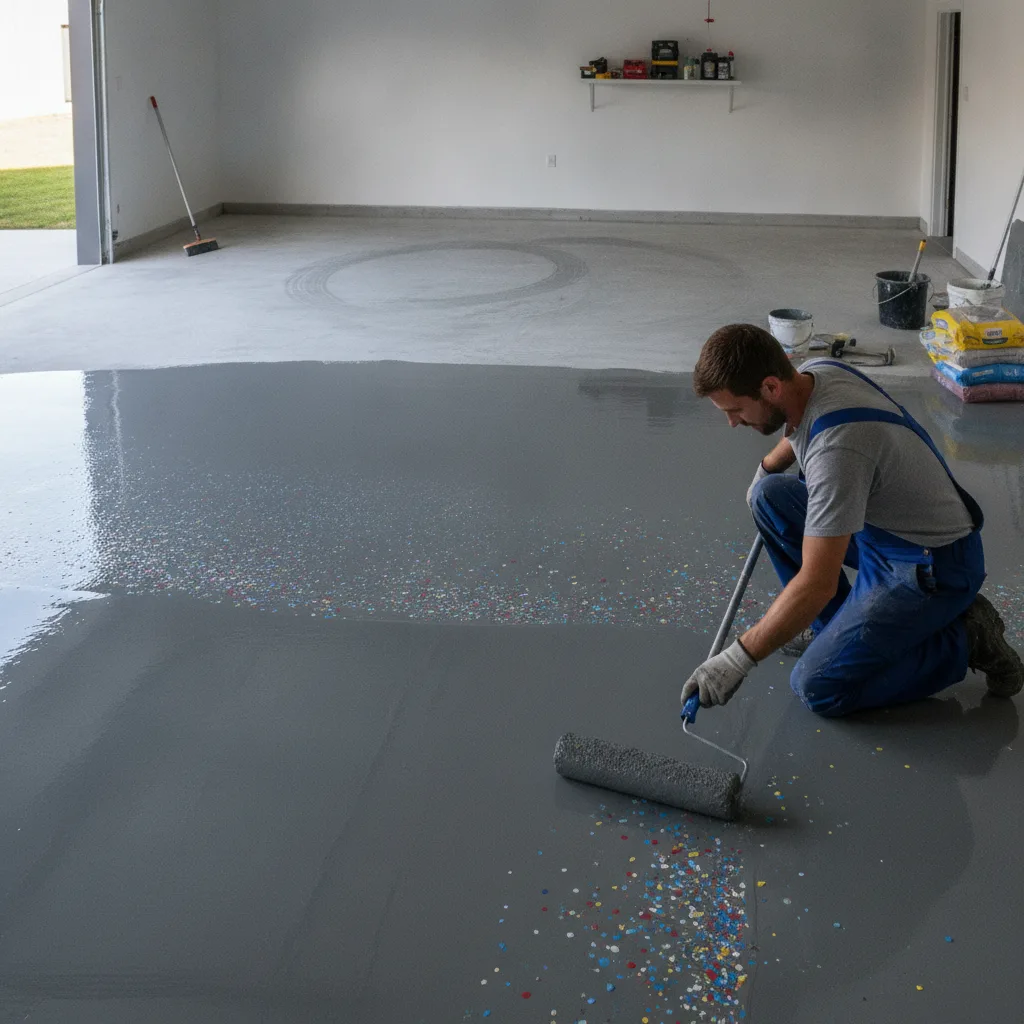
Epoxy Over Concrete in Craigieburn: What to Expect
Epoxy over concrete in Craigieburn is a popular flooring upgrade for garages, workshops and driveways. The process involves grinding back the slab, applying a bonding primer, then laying two or more coats of epoxy resin. Done properly, the result is a tough, seamless surface that resists oil, water and heavy foot traffic for a decade or more.
Is your concrete slab actually ready for epoxy?
Before any epoxy goes down, the slab has to be properly assessed. Concrete that is too green, contaminated with oil, or showing signs of moisture rising from below will cause the coating to peel, sometimes within weeks. A reputable installer will check for moisture vapour transmission, test the surface profile and look for any existing sealers that need to be stripped first.
Craigieburn sits on black reactive clay soil, which is well known around Melbourne’s northern growth corridor. That clay expands and contracts with moisture changes, so slabs in the area can be prone to minor cracking and movement. This does not automatically rule out epoxy, but it does mean the prep work matters more here than it might in other suburbs. Any cracks wider than about two millimetres are typically filled with a flexible polyurethane filler before grinding begins, giving the final coat a flat, clean surface to bond to.
The grinding stage itself is not optional. It opens up the pores of the concrete so the primer can bite in properly. A surface that has just been acid-etched rather than mechanically ground tends to produce a weaker bond, and that shows up later as bubbling or flaking around high-traffic areas like the apron near the garage door.
What does the epoxy over concrete installation process look like?
A standard residential epoxy floor installation in Craigieburn follows a clear sequence: grind, repair, prime, broadcast decorative flakes if required, apply a topcoat, and let it cure. Most garage floors between 40 and 60 square metres take one to two days on site, with a full cure time of around seven days before you should drive a vehicle onto the surface.
Here is how each stage breaks down in plain terms:
- Grinding: Diamond grinders open up the concrete surface to a profile roughly equivalent to 60 to 80 grit sandpaper. This is the stage that creates the most dust, so good installers use vacuum-attached grinders to keep the mess manageable.
- Crack and joint repair: Polyurethane or epoxy fillers are worked into any cracks or control joints that could telegraph through the finished coat.
- Primer coat: A penetrating epoxy primer is rolled on and left to soak in. This is the layer that actually grabs the slab. Skipping it or applying it too thinly is one of the most common reasons DIY epoxy jobs fail.
- Colour coat and flake broadcast: The base colour goes on, and if you are going with a metallic or flake finish, the decorative media is scattered across the wet surface at this point. Full flake coverage, where chips are broadcast until the floor is completely hidden, gives a texture that also adds grip underfoot.
- Clear topcoat: One or two coats of polyaspartic or polyurethane topcoat seal everything in, lock the flakes flat and provide the scratch and chemical resistance that makes epoxy floors genuinely practical in a working garage.
The finished floor is seamless, meaning there are no grout lines or joins for oil and water to hide in. That alone makes it dramatically easier to clean than bare concrete or paver surfaces.
How long does epoxy over concrete last in Craigieburn conditions?
A professionally installed epoxy floor in a residential garage, maintained sensibly, typically lasts between ten and fifteen years before it needs a recoat. The variables that shorten that lifespan are UV exposure, heavy point loads like motorcycle kickstands and car jacks, and any moisture that was not fully dealt with during prep.
UV is worth a mention for Craigieburn homeowners with garages that get afternoon sun flooding in through the door. Standard solvent-based epoxies will amber and yellow over time in UV light. Polyaspartic topcoats are UV-stable and hold their colour far better, which is why most quality installers use them as the final layer rather than a standard epoxy clear.
Day-to-day maintenance is straightforward: a soft broom, an occasional mop with a pH-neutral cleaner, and cleaning up any petrol or brake fluid spills promptly rather than leaving them to sit. Avoid dragging sharp metal objects across the surface and the coating will stay looking good for years.
What finishes and colours work well for Craigieburn garages?
Neutral tones, greys and charcoals are consistently the most popular choice in the northern suburbs, partly because they suit the modern facades common in Craigieburn’s newer estates and partly because they hide tyre marks and dust between cleans. Full flake systems in blended grey and white chips give a granite-like appearance that photographs well and ages gracefully.
Metallic epoxy floors are a step up in visual impact, using pigments suspended in the resin to create a flowing, three-dimensional look. Because the effect is created during application rather than printed on, no two metallic floors look identical. They work particularly well in larger double garages and in workshop spaces where the owner wants something that stands out.
If the floor is going to see constant vehicle traffic, a full flake system with a non-slip aggregate added to the topcoat is the practical choice. The texture gives tyres and shoes better purchase on wet days, which matters in a climate where Craigieburn’s summer storms can push water into a garage quickly.
How much does epoxy flooring cost in Craigieburn?
Pricing for epoxy over concrete in Craigieburn depends on the floor size, the condition of the existing slab, and the finish selected. As a general guide, a professionally installed garage floor with full preparation, a flake broadcast and a polyaspartic topcoat sits in the range of $50 to $80 per square metre for most residential jobs. A standard double garage of around 36 square metres would therefore typically land between $1,800 and $2,900 fully installed.
Heavily damaged slabs, floors with significant moisture issues, or premium metallic finishes all push the cost toward the higher end. The cheapest quote is rarely the best value here. A cut-price job that skips proper grinding and priming will peel within a couple of years, and the cost of stripping a failed floor and starting again far exceeds the original saving.
Getting a proper on-site quote is the only reliable way to price a specific floor, because no two slabs are in the same condition. A good installer will walk the floor with you, check for problem spots, and give you a fixed price that covers everything from grinder hire through to final topcoat.
Book an epoxy over concrete quote in Craigieburn with Metal and Flake