Concrete Floor Sealing in Brunswick: A Guide for Inner-North Homes
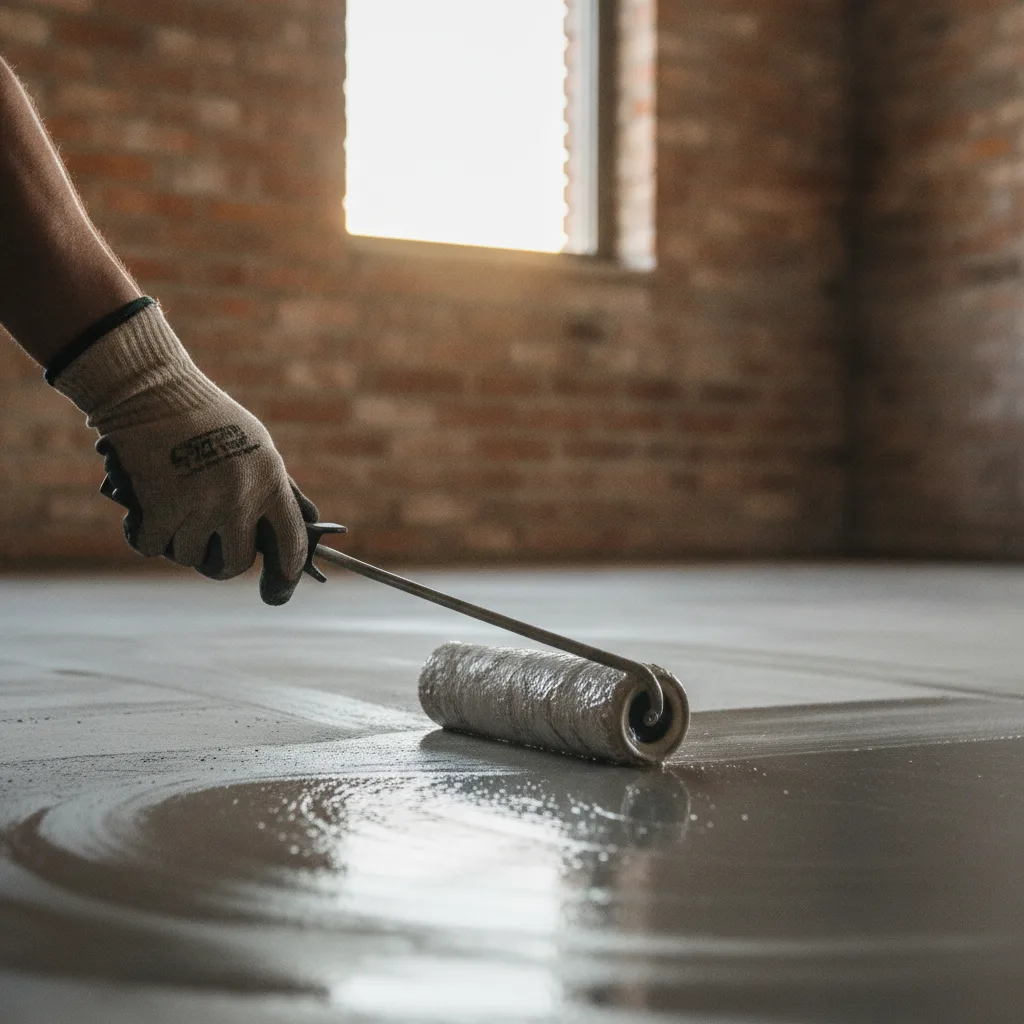
Concrete floor sealing in Brunswick protects bare or polished slabs from moisture, stains and daily wear while keeping that raw industrial look inner-north homes are known for. A quality sealer applied to a properly prepared slab will typically last five to ten years before it needs a refresh, depending on foot traffic and the product used.
Why does concrete floor sealing matter so much in Brunswick?
Brunswick’s housing stock is a mix of converted warehouses, interwar brick terraces and new townhouses, and most of them sit on slabs that see heavy foot traffic, bike tyres, cooking splashes and the occasional art project. Unsealed concrete soaks all of that up like a sponge, staining permanently and eventually dusting or crumbling at the surface. Sealing locks out moisture and contaminants before they get a chance to do lasting damage.
The inner north also has a lot of older slabs poured without modern damp-proof membranes beneath them. Rising moisture is a real problem in these homes. A breathable penetrating sealer, rather than a thick film-forming product, lets vapour escape while still blocking liquid water from above. Getting that choice right for your specific slab is the first decision any good concreter will walk you through.
Foot traffic patterns matter too. A Brunswick share house with four residents, two dogs and bikes rolling across the kitchen floor every day needs a harder-wearing product than a quiet home studio used by one person. Matching the sealer to the actual load the floor will carry is what separates a job that looks great for a decade from one that starts peeling inside two years.
What types of sealer are used on concrete floors in inner-north Melbourne?
There are three main categories of concrete sealer, and each suits a different situation. Penetrating sealers (silanes, siloxanes and silicates) soak into the slab and chemically bond with the concrete without forming a visible surface film. They are the go-to for old slabs with moisture issues and for people who want the floor to look exactly as it does now, just protected. Topical acrylic sealers form a thin film on the surface, add a low to high sheen, and are budget-friendly but need re-coating every few years. Epoxy and polyurethane topcoats form a thicker, harder film and are the most durable option for kitchens, workshops and commercial-style spaces.
Many Brunswick homeowners want a matte or satin finish that honours the raw concrete aesthetic rather than a high-gloss look that reads as commercial. Water-based polyurethane sealers have come a long way in recent years and can deliver exactly that finish while still offering excellent chemical resistance against red wine, coffee and cooking oil. They are also lower in VOCs than older solvent-based products, which matters when you are sealing indoors in a suburb as densely residential as Brunswick.
If the slab has been ground or honed to expose the aggregate, a densifier is usually applied first to harden the surface before the topcoat goes on. Skipping that step is one of the most common shortcuts that leads to premature failure. A densifier reacts with the free lime in the concrete to form additional calcium silicate hydrate, making the surface noticeably harder and reducing the risk of the sealer delaminating under load.
How is concrete floor sealing prep work done properly?
Proper prep for concrete floor sealing means cleaning, repairing and profiling the slab before a single drop of sealer is applied. Surface contamination from old adhesives, paint, oil or curing compounds will stop almost any sealer from bonding correctly, so those are removed first, usually by diamond grinding or shot blasting. Cracks and spalls are filled with a flexible repair mortar, then feathered smooth so the finished surface reads cleanly.
Moisture testing is non-negotiable on older slabs. A simple plastic sheet test left taped to the floor for 24 hours will show whether moisture is actively migrating through. A more precise reading comes from a calcium chloride test or an in-situ relative humidity probe. Australian Standard AS 1884 recommends a relative humidity reading below 75 percent before most adhesives are applied, and most quality sealer manufacturers have similar thresholds. If the slab fails the test, either a moisture-tolerant epoxy primer goes down first or the source of the moisture needs addressing before anything else happens.
Grinding the surface to an appropriate profile (called a concrete surface profile, or CSP) gives the sealer something to grip. A smooth, unground slab can look fine but offer very little mechanical adhesion for a topcoat. Professionals use a CSP 1 to 3 for most sealers, which is a lightly abraded texture you can feel with your fingertips but can barely see.
How long does concrete floor sealing take and what does it cost in Brunswick?
For a typical Brunswick terrace or townhouse with 40 to 80 square metres of concrete floor, expect a two-day process. Day one covers prep: grinding, repairs and a first-pass clean. Day two is the sealer application itself, which includes primer, one or two coats of the chosen product and a light cure period before the floor can take foot traffic again. Most products are walkable within four to six hours and fully cured within seven days, though you should keep heavy furniture off for the first 48 hours.
Costs in inner-north Melbourne vary with the condition of the slab, the product chosen and the floor area. Penetrating sealers on a reasonably clean slab at the lower end of the scale can come in around $15 to $25 per square metre including labour. Epoxy or polyurethane topcoats with grinding prep on a rougher slab sit higher, often $40 to $70 per square metre or more depending on what the slab throws up during prep. Those figures are a general guide only and getting a proper quote after a site inspection is always the right move.
One thing worth knowing: skimping on prep to save money almost always costs more in the medium term. A sealer applied over a contaminated or moisture-affected slab will peel, bubble or haze. Stripping a failed coating and starting again from scratch is more expensive than doing it right the first time.
What finish options suit Brunswick’s aesthetic?
Brunswick’s inner-north style tends toward the honest and unfussy. Raw concrete with a matte penetrating sealer looks at home in a converted warehouse apartment or a terrace with polished concrete throughout. A satin water-based polyurethane adds just enough sheen to make cleaning easier without looking out of place. High-gloss coatings are less common in residential settings here but suit workshops, studios and commercial fit-outs where durability trumps aesthetics.
Decorative options like metallic epoxy flake floors are popular in garages and studios throughout Brunswick and Fitzroy North, where the finish adds visual interest to a space that would otherwise be a plain grey slab. Colour-tinted sealers are another option for those who want to warm up the floor without adding a full coating system. Whatever direction you go, the finish should be decided before the prep work is specified, because some decorative finishes need a different surface profile than a standard clear sealer.
Get concrete floor sealing in Brunswick from Metal and Flake.