Residential Epoxy Floors: Best Systems for Melbourne Homes
Epoxy floors for residential use offer a hard-wearing, low-maintenance surface that suits garages, living areas and laundries alike. The best system for a Melbourne home depends on the substrate condition, the room’s traffic load and the finish you want. Most homeowners choose between a metallic, flake or solid-colour build, each offering a different look at a similar durability level.
What makes epoxy floors a good choice for residential spaces?
Epoxy floors work well in homes because the cured coating bonds directly to concrete, creating a surface that resists staining, moisture and abrasion far better than bare slab or painted concrete. A properly installed system can handle daily foot traffic, dropped tools and the occasional wet mop for well over a decade without peeling or cracking.
Melbourne homes sit on some of the most reactive clay soils in the country, which means slabs move. Floors in older inner-suburban properties, particularly those built before the 1980s, often show hairline cracking or surface dusting. A quality epoxy system fills minor surface porosity and, when applied over a mechanically prepared substrate, flexes enough with minor slab movement to stay intact.
Beyond durability, the practical appeal is simple. Concrete left unsealed collects dust, traps oil and is nearly impossible to keep clean. Epoxy floors seal that surface shut. A quick mop and the job is done, no scrubbing, no sealer reapplication every season.
Which residential epoxy floor systems are most popular in Melbourne?
The three systems that appear most often in Melbourne homes are full-flake broadcast, metallic epoxy and solid-colour two-part epoxy. Full-flake broadcast involves scattering coloured vinyl flakes into a wet epoxy base coat until full coverage is achieved, then locking it all in with a clear polyaspartic or polyurethane topcoat. Metallic systems use pigmented mica powders swirled into the epoxy to create flowing, three-dimensional patterns. Solid colour is exactly what it sounds like: a uniform tinted coating that suits a more minimal interior look.
Full-flake is the most forgiving system for residential garages. The texture hides minor surface imperfections, the chips add a non-slip quality underfoot and the flake pattern disguises light scratches over time. It is also the most cost-effective of the three for larger floor areas.
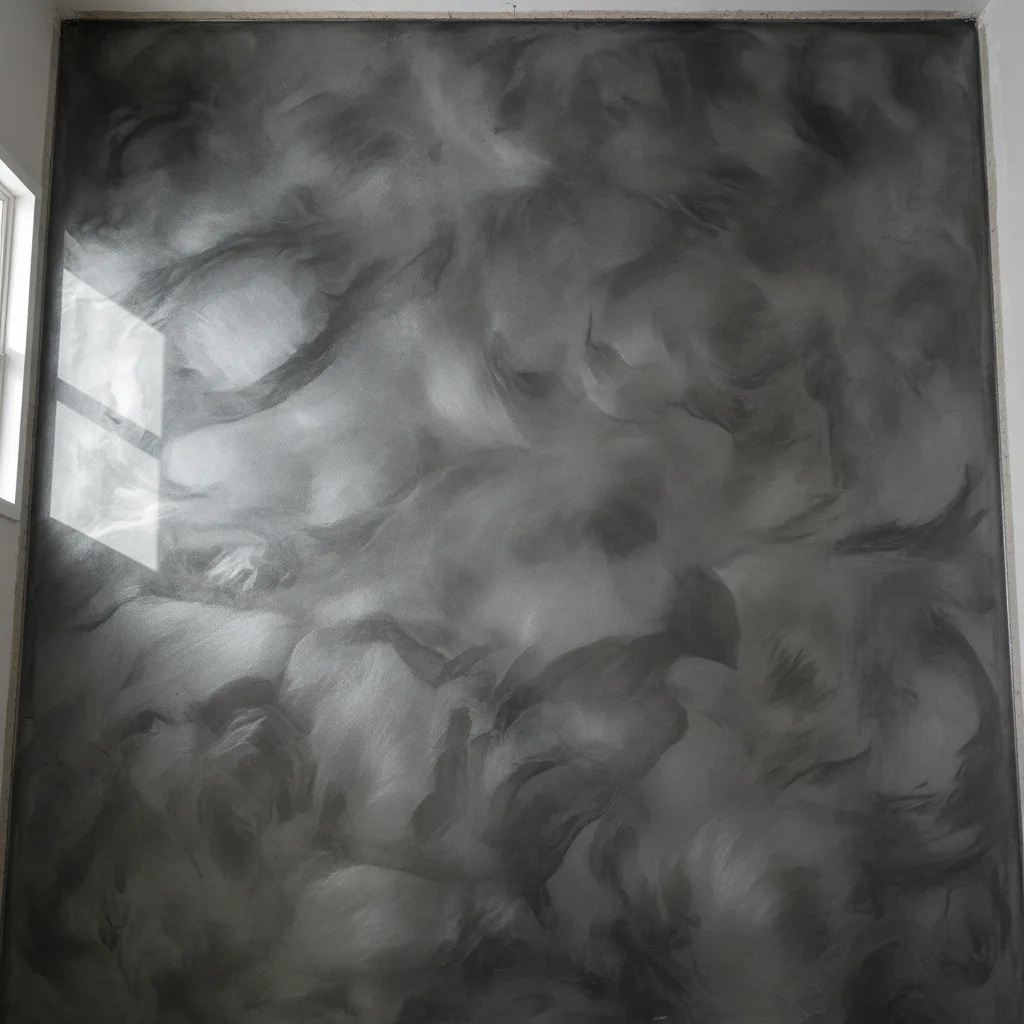
Metallic epoxy has become the go-to for homeowners who want a showroom-style result in an indoor entertaining area, home gym or open-plan living space. The swirl patterns are unique to each pour, so no two floors look the same. Pigment combinations like gunmetal and white, copper and charcoal or ocean blue and silver all translate well against the polished concrete aesthetic that is popular across Melbourne’s inner north and bayside suburbs.
Solid colour suits utility spaces: laundries, workshops and storage rooms where the point is function over flair. A good two-part solid-colour epoxy is still significantly more durable than a single-part hardware store paint, which tends to peel within a year or two of normal use.
How do you prepare a residential slab for epoxy floors?
Surface preparation is the step that determines whether a residential epoxy floor lasts ten years or ten months. The concrete needs to be mechanically opened so the epoxy can penetrate and bond rather than sitting on top of a smooth, sealed surface. The two standard methods are diamond grinding and shot blasting.
Diamond grinding uses industrial grinders fitted with diamond-segment tooling to abrade the surface to a profile similar in feel to 80-grit sandpaper. This is the go-to method for most residential installs because grinders are manoeuvrable enough to get into corners and around obstacles. Shot blasting, which propels steel shot at the surface at high velocity, is faster over large open areas like big warehouse-style garages but requires more clearance to operate effectively.
Once the surface is profiled, any cracks, spalls or expansion joints need attention. Cracks wider than about two millimetres should be chased out and filled with an epoxy crack filler or polyurea joint compound before the base coat goes down. Skipping this step means those cracks telegraph through the finished coating, which looks poor and can let moisture migrate underneath.
Moisture is the other critical check. Concrete that reads above 75 percent relative humidity on a Tramex or similar moisture meter needs a moisture-tolerant primer coat, otherwise the epoxy can blister or delaminate within months. This is more common than people expect in Melbourne, particularly in homes with older suspended slabs or slabs poured directly on ground without a proper membrane.
How long does a residential epoxy floor take to install and cure?
A standard residential garage or laundry floor typically takes one to two days on-site across two separate visits: one for preparation and primer, one for the broadcast or metallic coat and topcoat. The floor needs to be kept clear of foot traffic for around 24 hours after the final coat and clear of vehicle traffic for at least 72 hours, sometimes longer depending on the topcoat product and ambient temperature.
Melbourne’s temperature swings matter here. Epoxy cures through a chemical reaction that slows significantly in cold conditions. Installing in winter, particularly in an unheated garage that drops below 10 degrees Celsius overnight, can extend cure times and affect the quality of the film if it is not managed properly. An experienced installer will account for this by adjusting product selection and timing accordingly.
Polyaspartic topcoats cure faster than standard polyurethane and handle lower temperatures better, which is one reason they have largely replaced older topcoat products for residential work in Victoria. A polyaspartic-finished floor can often take foot traffic the same day the topcoat is applied, which is a real advantage in a family home where you cannot keep the garage sealed off for days on end.
What should homeowners look out for when choosing a residential epoxy floor installer?
The single biggest red flag is a quote that skips surface preparation costs. Grinding and shot blasting equipment, disposal of grinding slurry and the time involved in proper prep represent a real portion of the job cost. A quote that looks unusually cheap almost always means the prep is being cut short, which directly shortens the life of the floor.
Ask to see examples of finished residential work, not just commercial or industrial jobs. The tolerances are different. Homeowners look at their floors up close every day, so swirl consistency in a metallic pour or flake coverage density in a broadcast system matters more in a home than in a warehouse.
Check that the installer uses a two-part epoxy system with a dedicated primer coat, a body coat and a UV-stable topcoat. Single-coat systems applied by rollers with no primer stage are common in the DIY space and regularly fail within a year. A properly layered system builds to around two to three millimetres of total thickness, which is what delivers the durability residential floors need.
Book a residential epoxy floor installation with Metal and Flake