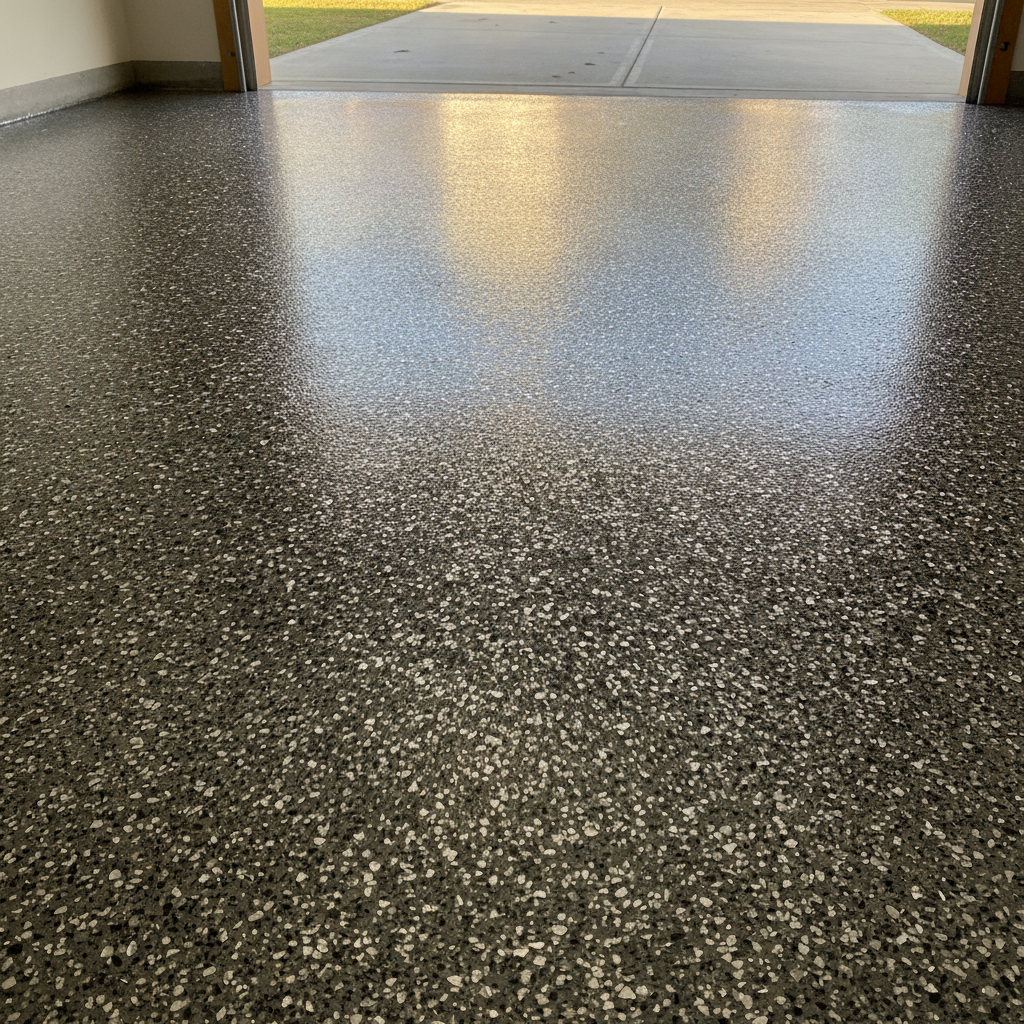
Epoxy Floors in Hoppers Crossing: Garage Coating Guide for Locals
Epoxy floors in Hoppers Crossing are a popular upgrade for homeowners who want a garage that’s easy to clean, hard-wearing and genuinely good-looking. A quality epoxy coating bonds directly to concrete, resists oil and tyre marks, and can last well over a decade with basic care. This guide walks you through everything you need to know before you book a job.
Why are epoxy floors such a practical choice for Hoppers Crossing garages?
Epoxy floors suit Hoppers Crossing garages because the coating handles Melbourne’s temperature swings, everyday vehicle traffic and the kind of workshop use most homeowners throw at it. The sealed surface stops oil and chemicals soaking into bare concrete, so clean-up is a wipe rather than a scrub. It also reflects light well, which makes a single-car garage feel noticeably brighter.
Hoppers Crossing sits in Melbourne’s western growth corridor, where a lot of homes were built in the 1990s and 2000s. That era of concrete slab is usually sound but porous, which means bare floors absorb every spill and grind grit into boot soles. Epoxy changes that completely. Once the coating cures, you’ve got a surface that sheds water, resists petrol drips and wipes down in minutes.
There’s also a real aesthetic payoff. Metallic and flake finishes in particular turn a plain grey slab into something that looks more like a showroom floor than a storage room. For a lot of homeowners out this way, that’s the moment the garage stops being a dumping ground and starts being a usable space.
What does the preparation process actually involve for a garage floor coating?
Preparation for a garage floor epoxy coating means mechanically grinding or shot-blasting the concrete surface so the epoxy bonds properly. The concrete must be clean, dry and free of laitance (the weak top layer that forms during pouring). Any cracks or holes are filled before the primer goes down. Skipping or rushing this step is the single biggest reason epoxy floors fail early.
A professional installer will typically spend a good portion of the job day just on prep. For a standard double garage, that can mean an hour or more of diamond grinding. The goal is an open, slightly rough surface profile, sometimes described as the texture of 80-grit sandpaper, so the epoxy has something to grip.
A few things worth checking before a quote visit:
- Moisture. Concrete slabs in Melbourne’s west can hold ground moisture. A simple plastic sheet taped down overnight will tell you if condensation is an issue. High moisture can cause epoxy to delaminate.
- Existing coatings. If someone has painted the floor previously, that old paint usually needs to come off entirely before epoxy goes down.
- Cracks. Hairline cracks are normal and can be filled. Wide or moving cracks are a structural conversation for a builder first.
What types of epoxy garage floor coatings are available?
The main epoxy garage floor coating types are solid colour epoxy, flake (chip) systems and metallic epoxy. Solid colour is the most straightforward. Flake systems broadcast vinyl chips over a base coat for texture and slip resistance, which is a popular choice in working garages. Metallic epoxy uses pigment and a clear topcoat to create a swirling, three-dimensional finish that’s more decorative.
Each system has a place depending on how you use the space:
- Flake (chip) systems are the workhorse option. The texture hides minor dirt between cleans and adds grip underfoot, which matters if the garage doubles as a workshop or if kids ride bikes through it. They’re also very forgiving to maintain.
- Metallic epoxy is the showpiece finish. It photographs beautifully and works well in showroom-style garages or man caves where appearance is the priority. It takes a little more care to keep looking sharp.
- Solid colour epoxy is clean and classic. It’s often used where a business logo colour or a specific aesthetic is the brief.
A good installer will walk you through colour samples in person, because colours look quite different under warehouse lighting versus natural light in your actual garage.
How long does an epoxy floor job take in Hoppers Crossing, and when can you drive on it?
A standard garage epoxy floor job in Hoppers Crossing typically takes one day for installation, then requires around 24 hours before foot traffic and up to 72 hours before you drive a vehicle on it. Full chemical cure, where the floor reaches its maximum hardness, generally takes about seven days. Temperature affects cure time: cooler days slow things down slightly.
Most homeowners plan the job for a Thursday or Friday. That way the floor is curing over the weekend, and by Monday morning the car’s back inside. It’s worth clearing everything out of the garage the night before so the installer can start on bare concrete first thing.
Weather matters too. Epoxy shouldn’t be applied when ambient temperature drops below around 10 degrees Celsius, so Melbourne’s cooler months can limit scheduling windows. A reputable installer will check conditions before committing to a date.
What should Hoppers Crossing homeowners look for in an epoxy floor quote?
When reviewing an epoxy floor quote in Hoppers Crossing, look for clear line items covering surface preparation, the number of coats, the product system being used (brand and type), and the topcoat warranty. A quote that lists only a single price with no breakdown is a sign to ask more questions. Concrete grinding should be explicitly included, not assumed.
A few practical points to raise with any installer:
- Ask what diamond grit profile they grind to. Serious installers know this number.
- Ask about the topcoat. A UV-stable polyurethane or polyaspartic topcoat protects the colour from fading, which matters for garages with natural light.
- Ask how they handle moisture. If they skip this question, consider it a yellow flag.
Pricing for epoxy garage floors across Melbourne’s western suburbs generally sits in the range of $50 to $100 per square metre for a quality flake or metallic system, depending on the size of the job, the prep required and the finish chosen. Smaller garages cost more per square metre because set-up time is relatively fixed. A single-car garage and a double are both worth quoting, since the per-metre rate usually drops as the floor area grows.
How do you keep an epoxy garage floor looking good year after year?
Keeping an epoxy garage floor in good shape long-term means sweeping or blowing out grit regularly, mopping with a pH-neutral cleaner when needed, and wiping up any chemical spills quickly rather than leaving them to sit. Avoid dragging metal objects across the surface. The coating itself is tough, but sharp edges under concentrated load can scratch the topcoat over time.
A common maintenance mistake is using harsh degreasers or bleach-based products. These can dull the topcoat finish over time. Warm water with a splash of mild detergent is all most epoxy floors need for routine cleaning.
If the floor takes a knock, say a dropped tool chips a small section, spot repairs are possible. It’s worth keeping a small quantity of the original topcoat product if your installer can supply it. That said, a properly installed system with a quality topcoat is genuinely hard to damage under normal residential use.
Metal and Flake works across Melbourne’s western suburbs, including Hoppers Crossing, and brings the kind of local knowledge that makes a difference: understanding the soil and slab conditions common to the area, knowing how the weather affects cure windows and showing up with the right gear to do the prep properly from the start.
Get an epoxy garage floor quote in Hoppers Crossing from Metal and Flake.