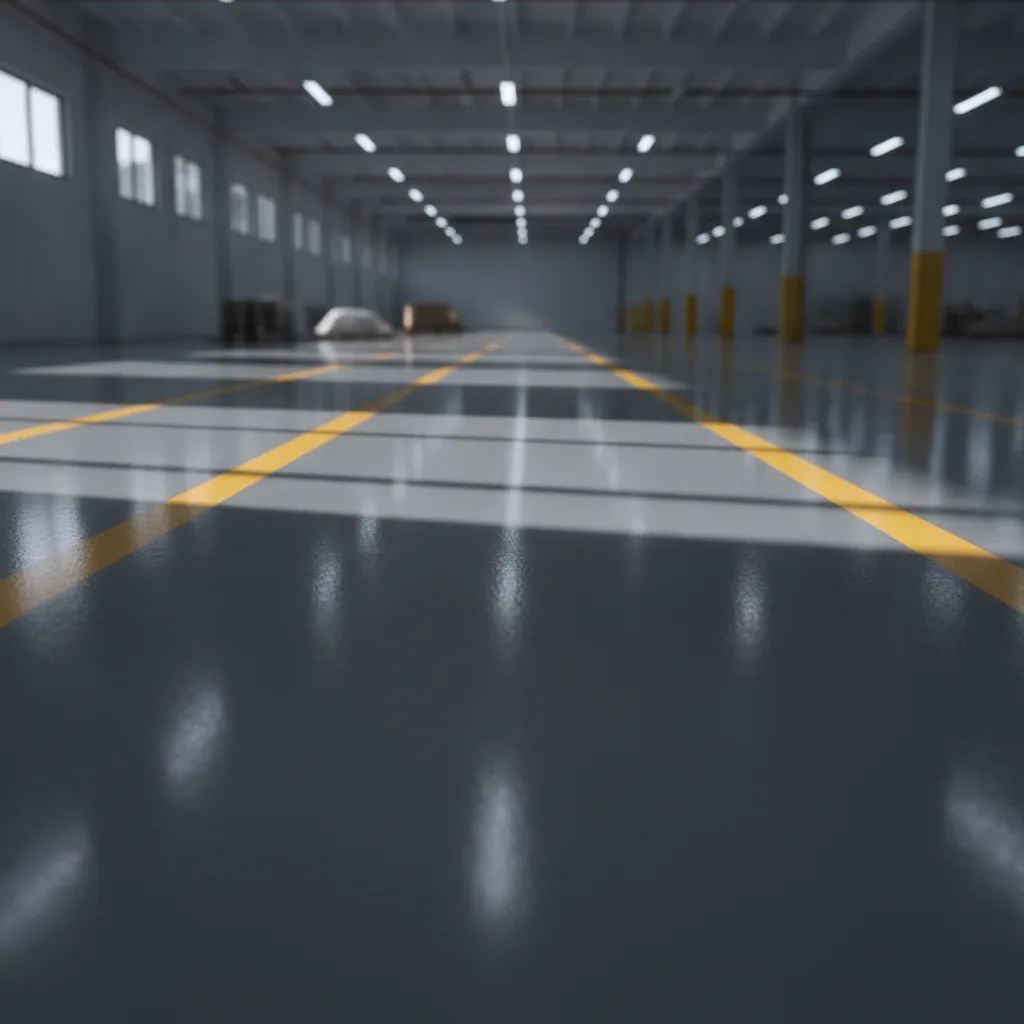
Commercial Epoxy Floor Coating: Options for Melbourne Businesses
A commercial epoxy floor coating is a multi-layer resin system applied directly to concrete to create a hard, seamless surface that handles heavy foot traffic, forklifts, chemical spills and daily punishment. For Melbourne businesses, the right system depends on your industry, floor condition and the finish you want. Most commercial installs cure within 24 to 72 hours and last a decade or more with basic maintenance.
What types of commercial epoxy floor coating systems are available?
The four main commercial epoxy floor coating systems are solid-colour epoxy, metallic epoxy, flake (broadcast) epoxy and self-levelling epoxy. Solid-colour is the most cost-effective for large warehouse floors. Metallic and flake systems add visual depth and texture. Self-levelling suits food-grade or pharmaceutical environments where hygiene and smooth drainage matter most.
Each system starts with the same basic principle: a two-part epoxy resin bonds chemically to prepared concrete, forming a coating that is far tougher than paint. What changes is the build thickness, the decorative layer in the middle, and the topcoat applied over it.
Solid-colour epoxy is the workhorse. You see it in workshops, warehouses and distribution centres across Melbourne’s western and northern industrial corridors. It goes down fast, comes in dozens of colours for line marking and safety zoning, and takes a serious beating.
Flake epoxy (sometimes called broadcast or chip epoxy) adds vinyl flakes into a wet base coat. The flakes create a slightly textured, slip-resistant surface, which is a real advantage in areas that see water, oils or cleaning chemicals. Because the flakes cover the base colour, they also mask minor imperfections in the concrete underneath. A clear polyurethane or epoxy topcoat locks everything in. This system is popular in car dealerships, gyms, retail showrooms and commercial kitchens.
Metallic epoxy uses metallic pigments suspended in the resin to produce a flowing, three-dimensional look. It reads almost like polished stone. You tend to see this one in reception areas, restaurants, hotels and high-end retail spaces where the floor is part of the brand experience. The coating itself is just as tough as any other epoxy, but the finish demands a skilled applicator to get the movement right.
Self-levelling epoxy is poured at a higher volume and flows out to a consistent depth, typically around 2 mm to 3 mm. It creates a completely flat, joint-free surface that is easy to mop down and resists bacterial harbouring. Commercial kitchens, breweries, food processing plants and medical facilities are the natural fit here.
How does epoxy floor coating handle the demands of a commercial environment?
Commercial epoxy floor coating handles industrial demands by bonding directly to concrete at a molecular level, producing a surface with compressive strength ratings often exceeding 70 MPa. That means it withstands constant forklift and pallet jack traffic, resists petrol, hydraulic fluid and cleaning chemicals, and does not chip or peel under normal commercial use the way painted floors do.
One thing worth knowing: concrete preparation is where a professional installation lives or dies. Shot blasting or diamond grinding opens the concrete’s surface profile so the epoxy has something real to grip. Skip that step and even the best product will delaminate within months. A reputable installer will always grind first and do a moisture test before anything else goes down.
Slip resistance is another practical consideration. A glossy solid-colour epoxy on a floor that sees water or oil needs an anti-slip additive (aluminium oxide or fine quartz is common) in the topcoat. Flake systems give you built-in texture at no extra cost. For workplaces subject to Safe Work Australia guidelines, getting this right is not optional.
Temperature also matters for Melbourne businesses. Epoxy is applied between roughly 10 and 30 degrees Celsius. In winter, a cold concrete slab can slow the cure cycle and affect adhesion. A good installer accounts for ambient temperature and slab temperature separately, not just the reading on the thermometer.
Which commercial epoxy floor coating is right for your Melbourne business?
The right commercial epoxy floor coating depends on three things: the type and weight of traffic your floor sees, whether hygiene or aesthetics are a priority, and your concrete’s current condition. Warehouses and workshops typically suit solid-colour or flake systems. Showrooms and hospitality venues tend to favour metallic or decorative flake. Food and medical facilities almost always need a self-levelling system with a chemical-resistant topcoat.
Here is a practical way to think through it:
- Warehouse or light industrial: Solid-colour epoxy with a polyurethane topcoat. Add line marking in a contrasting colour for safety zones and forklift lanes. Budget-friendly and fast to install over large areas.
- Car dealership or gym: Full broadcast flake system. The texture adds grip, the flake pattern hides tyre marks and scuffs, and it looks sharp for years with minimal upkeep.
- Showroom, café or retail: Metallic epoxy for something genuinely distinctive, or a decorative flake in a tighter scatter for a cleaner look. Both work well under display lighting.
- Commercial kitchen or food production: Self-levelling epoxy with a chemical-resistant, anti-bacterial topcoat. Make sure the installer knows your drainage layout before they start.
- Mixed-use office and workshop: You can run two systems side by side, one in the office zone and one in the workshop, with a clear transition strip between them. Installers do this regularly.
Concrete condition shapes the budget more than most business owners expect. A slab with significant cracking, oil contamination or moisture issues takes more prep time. Getting a site inspection before committing to a quote means there are no nasty surprises once work starts.
How long does a commercial epoxy floor coating last and what maintenance does it need?
A properly installed commercial epoxy floor coating typically lasts between 10 and 20 years in a standard commercial environment. Heavy industrial use with constant forklift traffic sits toward the lower end of that range. Showrooms and offices with lighter traffic can push well past 15 years before a full recoat is needed.
Maintenance is straightforward. Sweep regularly to stop grit acting like sandpaper under trolley wheels. Mop with a pH-neutral cleaner. Avoid harsh acids or bleach on standard epoxy topcoats unless your system was specified to handle them. Clean up chemical spills quickly rather than letting them sit.
Most systems can be recoated rather than fully stripped when they eventually show wear. A professional installer will assess the existing coating, do spot repairs if needed, lightly abrade the surface, and apply a fresh topcoat. This costs a fraction of a full install and puts another five-plus years on the floor.
The single biggest factor in longevity is installation quality on day one. A floor that was properly ground, primed and coated at the correct film thickness will outlast a cheaply-done job by years. Ask for product data sheets and check that the installer is applying at the manufacturer’s specified spread rate, not stretching the product thin to save on materials.
Metal and Flake works with Melbourne businesses across the commercial and industrial spectrum, bringing the same attention to prep and finish to every job. Get a commercial epoxy floor coating quote from Metal and Flake.