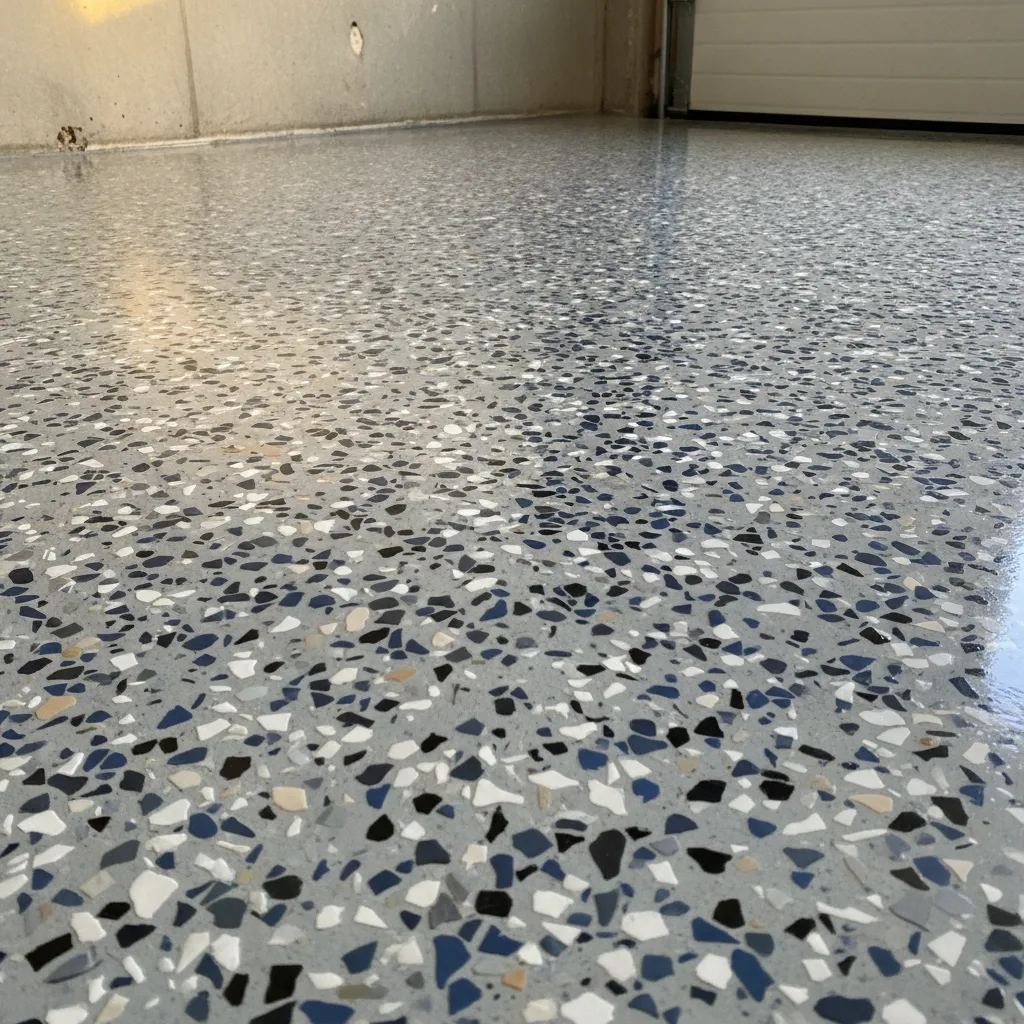
Epoxy Resin for Floors: Benefits, Types and What to Expect
Epoxy resin is a two-part coating system, made up of a resin and a hardener, that bonds chemically to concrete to create a hard, seamless surface. It resists oil, chemicals and heavy foot traffic, lasts well over a decade with proper care, and comes in a wide range of finishes from flat solid colours to metallic and decorative flake styles.
What exactly is epoxy resin and why is it used on floors?
Epoxy resin is a thermosetting polymer, meaning the resin and hardener react together to form a rigid, cross-linked material that is far harder and more chemically resistant than paint or standard concrete sealer. Once cured, the surface becomes essentially one continuous layer bonded to the substrate, which is why it performs so well in garages, warehouses and commercial spaces where spills, dropped tools and constant movement are everyday realities.
The chemistry behind it is straightforward: the two components are mixed in a specific ratio, spread across a prepared concrete slab, and then left to cure. That curing process is what gives epoxy resin floors their strength. You are not just coating the surface. You are creating a new surface that is mechanically and chemically locked into the concrete below.
This is also what separates a proper epoxy resin floor from a water-based epoxy paint you might pick up at a hardware store. Those single-pack products contain very little actual epoxy solids and tend to peel within a few years. A professional two-part system, applied correctly, is a different product entirely.
What are the main benefits of epoxy resin floors?
Epoxy resin floors offer durability, easy cleaning, chemical resistance and a professional finish that adds real value to a property. They are far more resistant to abrasion than bare concrete, they do not harbour dust or bacteria in the same way a textured surface does, and a quality installation can realistically last 15 to 20 years in a residential garage with minimal maintenance.
Here is a practical breakdown of the biggest advantages:
- Hardness and abrasion resistance. Cured epoxy resin typically reaches a Shore D hardness of around 80 to 85, which means it holds up well under vehicle tyres, forklifts and heavy foot traffic without wearing through.
- Chemical resistance. Oil, brake fluid, battery acid and most workshop chemicals sit on the surface rather than soaking into the concrete. A quick wipe and the stain is gone.
- Seamless, non-porous surface. No grout lines, no cracks for grime to settle into. This makes epoxy resin floors popular in food production facilities and commercial kitchens where hygiene standards are strict.
- Reflectivity. A gloss epoxy resin floor can significantly brighten a space by bouncing light around the room, which matters in workshops and garages where natural light is limited.
- Customisation. Solid colours, metallic finishes, broadcast flake systems and quartz blends give you real design flexibility. A floor does not have to look industrial to perform like one.
What types of epoxy resin flooring are available?
The main types of epoxy resin flooring are solid colour systems, decorative flake (chip) systems, metallic epoxy, quartz broadcast systems and self-levelling epoxy. Each suits different settings and budgets, and the right choice depends on how the space is used, how much foot or vehicle traffic it sees, and the look you are after.
A quick rundown of each type:
Solid colour epoxy. The most straightforward option. A base coat and a clear topcoat give you a clean, uniform finish. Common in commercial settings where function is the priority.
Decorative flake (chip) systems. Coloured vinyl flakes are broadcast into a wet epoxy base and then sealed with a clear topcoat. The flakes add texture, hide minor surface imperfections and disguise dirt between cleans. This is one of the most popular residential and commercial options in Melbourne because it looks sharp and performs reliably.
Metallic epoxy. Pigment powders are mixed into the epoxy resin to create swirling, three-dimensional visual effects that resemble marble, lava or polished stone. Every metallic floor is unique because the pigments move as the epoxy levels out. These are striking in showrooms, cafes and upscale residential spaces.
Quartz broadcast systems. Coloured quartz granules are embedded into the epoxy for a surface with serious texture and grip. These are common in commercial kitchens, pool surrounds and anywhere that safety underfoot is a key requirement.
Self-levelling epoxy. A thicker, high-solids pour that flows out to a perfectly flat finish. Used in industrial and commercial settings where precision levelling matters.
How does the epoxy resin installation process work?
The epoxy resin installation process involves three main stages: surface preparation, application of the epoxy system, and curing. Surface preparation is the most critical step and typically accounts for around 70 percent of the work involved. Without it, even the best epoxy resin product will fail prematurely.
Here is what a professional installation looks like from start to finish:
1. Surface preparation. The concrete slab is ground or shot-blasted to open the pores and create a profile for the epoxy to bond to. Any cracks, expansion joints or surface damage are repaired. Moisture testing is done at this stage because high moisture vapour transmission is one of the most common reasons epoxy resin floors fail.
2. Primer coat. A penetrating epoxy primer is applied to seal the slab and improve adhesion. On porous or problem concrete, this step can involve multiple primer passes.
3. Base coat and broadcast (if applicable). The main epoxy resin layer is applied. For flake systems, the vinyl chips are broadcast across the wet surface until full coverage is achieved. For metallic systems, the pigment is worked into the epoxy as it is laid.
4. Topcoat. A clear polyurethane or epoxy topcoat is rolled over the cured base. This is what protects the finish from UV yellowing, scratches and chemical attack. Some systems use a two-coat clear finish for extra durability.
5. Cure time. Foot traffic is usually safe after 24 hours. Vehicle traffic generally needs at least 72 hours. Full chemical cure takes around 7 days, so it is worth holding off on parking heavy machinery or dropping anything sharp until that window has passed.
How long does epoxy resin flooring last and how do you maintain it?
A professionally installed epoxy resin floor in a residential garage or light commercial setting typically lasts between 10 and 20 years, depending on traffic levels, the quality of the system used and how well the concrete was prepared. Maintenance is straightforward: regular sweeping and occasional mopping with a pH-neutral cleaner is all that is needed for most floors.
A few practical maintenance tips worth knowing:
- Avoid dragging sharp metal objects across the surface. Epoxy resin is hard but not immune to deep gouges from things like angle grinder discs or steel shelving feet.
- Clean up chemical spills quickly. While epoxy resin is resistant to most workshop chemicals, prolonged exposure to strong solvents like acetone can dull the topcoat over time.
- In high-UV areas, choose a topcoat that includes UV stabilisers. Standard epoxy resins can yellow under direct sunlight, so external or skylit areas need a UV-resistant clear coat or a polyaspartic topcoat instead.
- If the surface does get scratched or dull in a small area after years of use, it can often be spot-repaired or re-coated rather than replaced entirely, which is a real cost advantage over tiles or polished concrete.
Is epoxy resin flooring right for your space?
Epoxy resin flooring suits most concrete slabs in garages, workshops, warehouses and commercial premises, but it is not the right answer for every situation. Concrete with very high moisture content, slabs that are already heavily contaminated with oil, or floors that experience extreme thermal cycling may need additional preparation or an alternative system. A proper site assessment before quoting is the only reliable way to know what your floor needs.
The good news is that most residential and light commercial concrete in Melbourne is a solid candidate for epoxy resin. The climate helps too. Melbourne does not get the extreme sustained heat that can stress epoxy in some parts of Australia, which means a quality installation here has every chance of hitting that 15 to 20-year mark.
Whether you are looking at a decorative flake finish for a home garage, a metallic pour for a showroom or a tough solid colour system for a workshop, the process starts the same way: getting someone out to look at the slab and give you a straight answer on what will work.
Get a quote for epoxy resin flooring in Melbourne