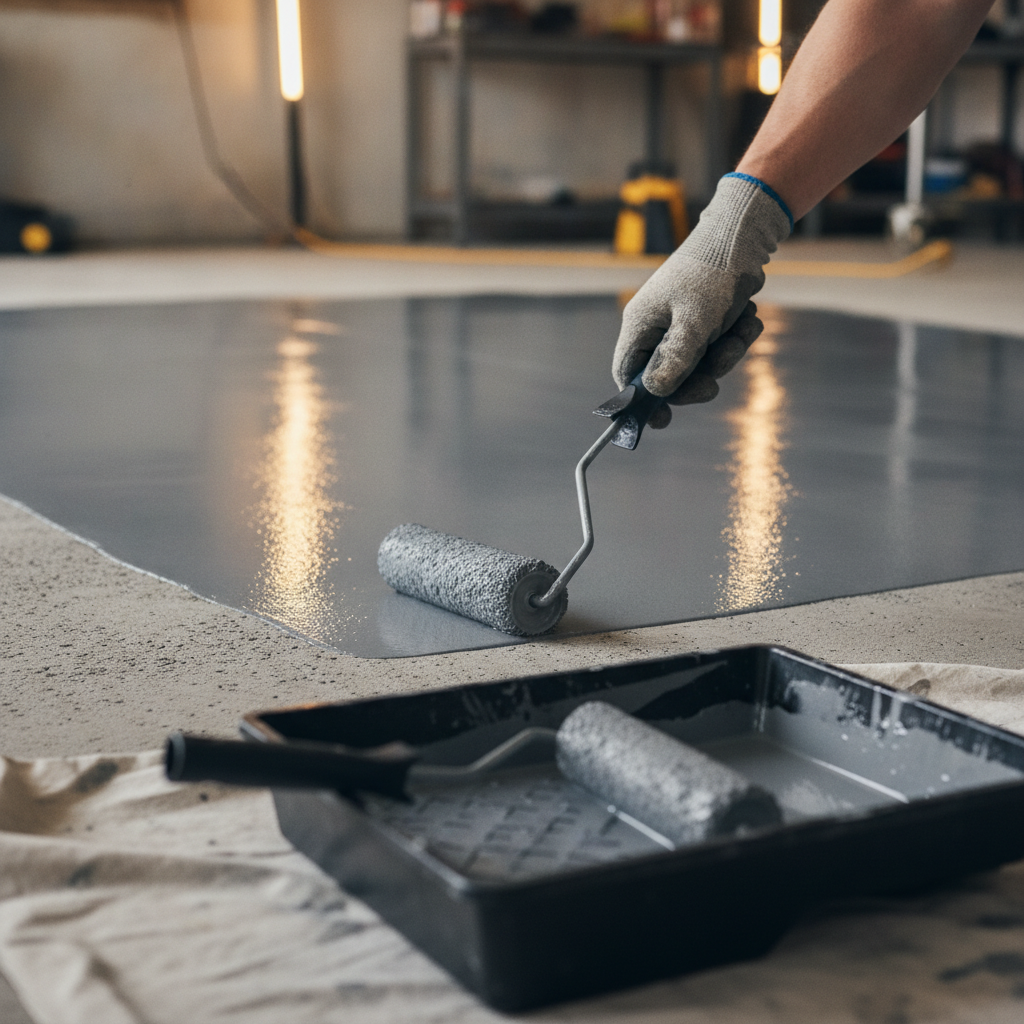
All-Purpose Coatings: What They Are and Where They Work Best
All-purpose coatings are surface treatments formulated to bond to a wide range of substrates and resist everyday wear, moisture and light chemical exposure. They suit low-to-medium demand environments where one product needs to cover multiple surfaces. For high-traffic or heavy-duty floors, a specialist coating almost always outlasts and outperforms them.
What exactly are all-purpose coatings?
All-purpose coatings are single-product formulations designed to work across different materials, including concrete, timber, metal and masonry, without needing a substrate-specific primer or topcoat. They offer broad adhesion, moderate durability and reasonable chemical resistance, making them a practical option when budget or time rules out a tailored system.
Think of them the way you’d think of a general-purpose silicone sealant. It will do a decent job around a kitchen sink or a window frame, but you would not use it to waterproof a wet-room floor that sees heavy daily use. Same principle applies to coatings.
Most all-purpose coatings on the market fall into one of a few chemistry families: acrylic-based, alkyd-based or water-based polyurethane blends. Each has different open times, cure windows and levels of hardness once set. Acrylics dry fast but can chalk outdoors over time. Alkyds take longer to cure but build a harder film. Water-based polyurethane blends sit somewhere in the middle and are popular for light commercial and residential use because they are low odour and easy to clean up.
Where do all-purpose coatings perform well?
All-purpose coatings perform well in environments that see light foot traffic, infrequent cleaning and no concentrated chemical spills. Typical applications include interior walls, lightly used storage rooms, garden sheds, hobby workshops and general maintenance touch-ups on fences or outdoor furniture. They are also a sensible choice when you need a protective layer across mixed substrates in a single pass.
A few situations where all-purpose coatings genuinely shine:
- Rental property maintenance. A landlord doing a quick refresh between tenants can roll a single water-based all-purpose coating across a laundry floor, a small porch and a garden wall without switching products. It saves time and reduces the number of cans to manage.
- DIY hobby spaces. A home workshop used a couple of evenings a week for light fabrication or timber work rarely puts enough stress on a floor to need a full epoxy system. An all-purpose coating can hold up fine for years in that setting.
- Maintenance painting over existing coated surfaces. When a surface already has a sound, compatible base coat, an all-purpose product can refresh the top layer without full strip-back.
The key word in all of the above is “light.” The moment you introduce regular vehicle traffic, frequent chemical or oil exposure, heavy dropped loads or food-grade hygiene requirements, an all-purpose coating starts to struggle.
Where do all-purpose coatings fall short?
All-purpose coatings fall short in high-demand environments because their formulation is a compromise. To stick to everything, they sacrifice the depth of hardness, chemical resistance or flexibility that a purpose-built system provides. On a busy garage floor, warehouse bay or commercial kitchen, that compromise shows up quickly as peeling, pitting or premature discolouration.
Concrete is the surface where this limitation becomes most obvious. Concrete is porous and alkaline, it moves slightly with temperature changes, and it can hold moisture vapour that pushes up from below. A coating that is not specifically engineered to manage those conditions will delaminate. This is why the flooring industry developed dedicated epoxy systems, polyurethane floor coatings and polyaspartic finishes in the first place. Each is engineered around the actual demands of the substrate and the environment.
To give a concrete example: a standard all-purpose acrylic coating on a garage floor might start to peel within 12 to 18 months under regular vehicle use, especially if oil or brake fluid contacts the surface. A properly applied two-part epoxy with a broadcast flake finish, by contrast, is designed to take that punishment for a decade or more when correctly maintained.
Other areas where all-purpose coatings tend to underperform:
- Commercial kitchens and food prep areas that need to withstand aggressive cleaning chemicals and hot water.
- Warehouses and factories where forklifts, pallet jacks and heavy racking loads concentrate point stress on the floor.
- Showrooms and retail spaces where the look needs to stay sharp and the floor needs to handle constant foot traffic without scuffing.
- Driveways and car parks exposed to UV, vehicle loads and petroleum-based fluids.
How do all-purpose coatings compare to specialist epoxy floor coatings?
Compared to specialist epoxy floor coatings, all-purpose coatings are easier to apply and more forgiving during installation, but they provide significantly less hardness, chemical resistance and longevity under load. Epoxy systems bond directly to prepared concrete at a molecular level, reaching pencil hardness ratings well above most all-purpose products, and they can be built up in multiple layers to handle specific demands.
The preparation process is also different. A good epoxy floor installation starts with diamond grinding or shot blasting the concrete to open the surface profile, so the coating has somewhere to grip. All-purpose products are often applied over whatever surface exists, which is convenient but limits adhesion strength. That difference in prep is a large part of why the end results are so different in terms of durability.
Specialist coatings also give you finish options that all-purpose products cannot match. Metallic epoxy floors, vinyl flake systems and quartz broadcast finishes all create surfaces that are functional and genuinely good-looking. A decorative flake floor in a garage or a metallic pour in a showroom does a job that an all-purpose coating simply was not designed to do.
How do you choose the right coating for your surface?
Choosing the right coating comes down to three questions: What substrate are you coating? What will the surface have to withstand day to day? And how long do you need it to last? If the answers point to concrete floors under regular vehicle or industrial use, a specialist coating is worth the extra investment because re-coating a failed all-purpose product costs more in labour and materials than getting it right the first time.
A practical way to think about it: write down the worst day that floor will ever have. Is the worst day a garden hose and some foot traffic? An all-purpose coating can handle that. Is the worst day a chemical spill, a loaded forklift and a pressure wash? You need a system built for that, not a product that merely tolerates it.
For residential garage floors, domestic workshop slabs, home gym spaces and around pools, the sweet spot is usually a proper epoxy or polyurethane floor coating. The cost difference over a standard all-purpose product is real, but so is the gap in performance and lifespan. A quality floor coating applied correctly can last 10 to 15 years with basic maintenance, while a budget all-purpose coating on the same surface may need attention within a couple of seasons.
If you are weighing up options for a concrete floor in Melbourne and want a straight answer on what will actually work for your situation, the best move is to talk to someone who works with these surfaces every day.
Get a quote for surface coating in Melbourne