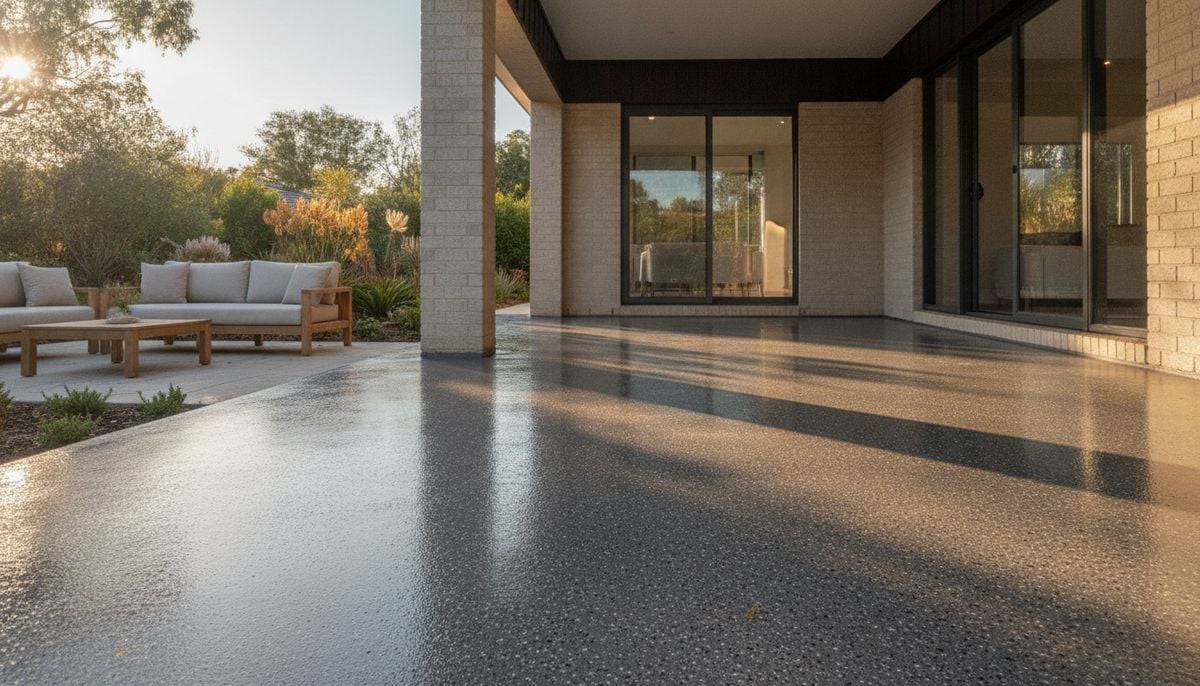
Residential Floor Coating in Sunbury: Your Local Options
Floor coating for residential Sunbury homes typically means choosing between an epoxy base coat, a decorative flake broadcast system or a polyurethane topcoat, often combined into one multi-layer system. The right choice depends on the surface (garage slab, alfresco, patio or driveway), the traffic it takes and the look the homeowner is after. Properly prepared and applied, a quality coating can last well over a decade with minimal upkeep.
What types of floor coating suit residential use in Sunbury?
For residential properties in Sunbury, the three most common coating systems are solvent-based or water-based epoxy, decorative vinyl flake (also called chip or broadcast) systems and polyurethane or polyaspartic topcoats. Each serves a different purpose: epoxy builds the bond and body, flake adds colour and slip resistance, and polyurethane or polyaspartic seals and protects the surface against UV fade and abrasion.
Sunbury sits on Melbourne’s north-western fringe, which means hot dry summers, occasional frost in winter and concrete slabs that can move with the seasons. That cycle of heat and cold puts real stress on coatings that haven’t been applied over a properly prepared substrate. A poorly bonded coating will peel within a year. A well-bonded one handles that temperature swing without lifting.
Here’s a quick breakdown of the main systems used in residential settings:
- 100% solids epoxy base coat. High build, excellent adhesion to concrete, forms the foundation of most durable residential systems. Typically applied at 200 to 400 microns.
- Vinyl flake broadcast system. Coloured flakes are broadcast into the wet epoxy, then sealed with a clear polyurethane or polyaspartic topcoat. The result is a non-slip, decorative finish that hides minor surface imperfections.
- Polyaspartic topcoat only. A faster-curing alternative sometimes used on patios and alfrescos. UV-stable, so it won’t yellow in direct sunlight, and can be walked on within hours of application.
- Metallic epoxy. A single-colour or multi-tone poured finish that creates a flowing, marbled appearance. Popular for internal garage floors and feature spaces.
How does surface preparation affect the result of a residential floor coating in Sunbury?
Surface preparation is the single biggest factor in whether a floor coating lasts or fails. Concrete must be diamond-ground or shot-blasted to open the surface profile, typically to a Concrete Surface Profile (CSP) of 2 to 3 for epoxy systems. Any oil contamination, laitance or previous sealer must be fully removed before the first coat goes down, or the coating will delaminate.
This is the step that separates a professional job from a hardware-store DIY attempt. Renting a grinder and doing a few passes is not the same as a systematic, overlapping grind with the right tooling. Professionals will also moisture-test the slab before coating, because concrete that reads above 75% relative humidity (or 4% moisture content by weight) can cause epoxy to blister or delaminate, especially on slabs that sit directly on ground without a DPC.
In Sunbury, newly poured slabs in estate builds are common. A new slab should cure for a minimum of 28 days before any coating is applied, and some contractors prefer to wait longer when moisture readings are elevated. Rushing this step is one of the most frequent causes of early coating failure on residential jobs.
Once the slab is ground and clean, any cracks or spalls are filled with a semi-rigid polyurethane filler or epoxy mortar, depending on whether the crack is live (still moving) or dormant. This keeps the finished surface looking even and prevents the coating from bridging over a void that later opens up.
Which areas of a Sunbury home benefit most from a floor coating?
The garage is the most common starting point for residential floor coatings in Sunbury, but it is far from the only one. Alfrescos, patios, pool surrounds and even driveways are regularly coated, each with a slightly different product specification suited to that environment.
For garages, a full flake system is the workhorse choice. It handles tyre traffic, hot-tyre pickup resistance (improved significantly with a polyaspartic topcoat), oil drips and the general abuse a working garage receives. A full flake system also reflects light, which makes a double garage feel noticeably brighter.
Alfresco and patio areas need a UV-stable topcoat. Standard epoxy will amber and chalk in direct sunlight within six to twelve months. A polyaspartic or aliphatic polyurethane topcoat maintains its colour and gloss level outdoors. Slip resistance is also a higher priority here, achieved through a fine aggregate broadcast or a textured finish in the topcoat.
Pool surrounds are a specialist application. The coating needs to handle constant water, pool chemicals and bare feet. Anti-slip aggregate is essential, and the system must be compatible with any chemical splash from the pool. Polyaspartic systems perform well here because of their chemical resistance and fast cure time.
Driveways are the toughest application. Vehicle weight, steering torque on the surface and direct UV exposure all place heavy demands on the coating. Driveways generally need a thicker build and a harder topcoat, and the concrete underneath must be in reasonable structural condition before any coating is applied. Coating a driveway with active cracking won’t fix the cracking; it will just show it differently.
What should Sunbury homeowners ask before hiring a floor coating contractor?
Before signing anything, Sunbury homeowners should ask three practical questions: What surface preparation method do you use and what CSP are you targeting? What is the full product specification, including brand and coat thicknesses? And what warranty do you offer on both labour and materials?
A contractor who can answer those questions clearly is one who understands the system they’re installing. Vague answers about “top quality products” without naming them, or a quote that skips surface prep entirely, are warning signs worth taking seriously.
Also ask about timing. Most residential floor coating systems require the space to be clear for at least 24 to 48 hours after the final coat, sometimes longer in cooler weather when cure times extend. Polyaspartic systems cure faster, which is useful when a homeowner needs the garage back quickly. Planning around cure time avoids the frustration of parking on a coating before it’s ready.
Finally, look at the contractor’s actual work, not just stock photos. Ask for examples from residential jobs in the Melbourne north-west or Macedon Ranges area where conditions are similar to Sunbury. Finished floors photographed in the environment they’re designed for tell you far more than a catalogue image.
How do floor coating costs work for a residential property in Sunbury?
Residential floor coating costs in Sunbury vary based on the system chosen, the size of the area, the condition of the concrete and accessibility. A basic single-coat sealer is at the cheap end but offers limited durability. A full multi-layer flake system with diamond grinding, two coats of epoxy and a polyaspartic topcoat sits at the premium end and is priced accordingly, typically calculated per square metre.
What drives cost up quickly is poor concrete condition. Extensive crack filling, multiple grind passes to remove a previous coating or dealing with heavily contaminated concrete all add labour time. Getting a site inspection rather than a phone quote gives a much more accurate number, because the contractor can actually assess what they’re working with.
The other cost factor is false economy. A cheaper system applied without proper prep will need replacing in two or three years. A quality system on a properly prepared slab can realistically last ten to fifteen years in a residential garage with basic cleaning and maintenance. Over that timeframe, the more durable system is almost always the better value.
Metal and Flake services Sunbury and the surrounding north-west Melbourne corridor, bringing the same preparation standards and product systems to residential jobs as to commercial ones. If you’re ready to talk specifics about your garage, alfresco, patio or pool surround, reach out for a proper site assessment and a detailed quote.
Request a residential floor coating quote in Sunbury