Colourtone Stencil Systems Explained: What Melbourne Clients Should Know
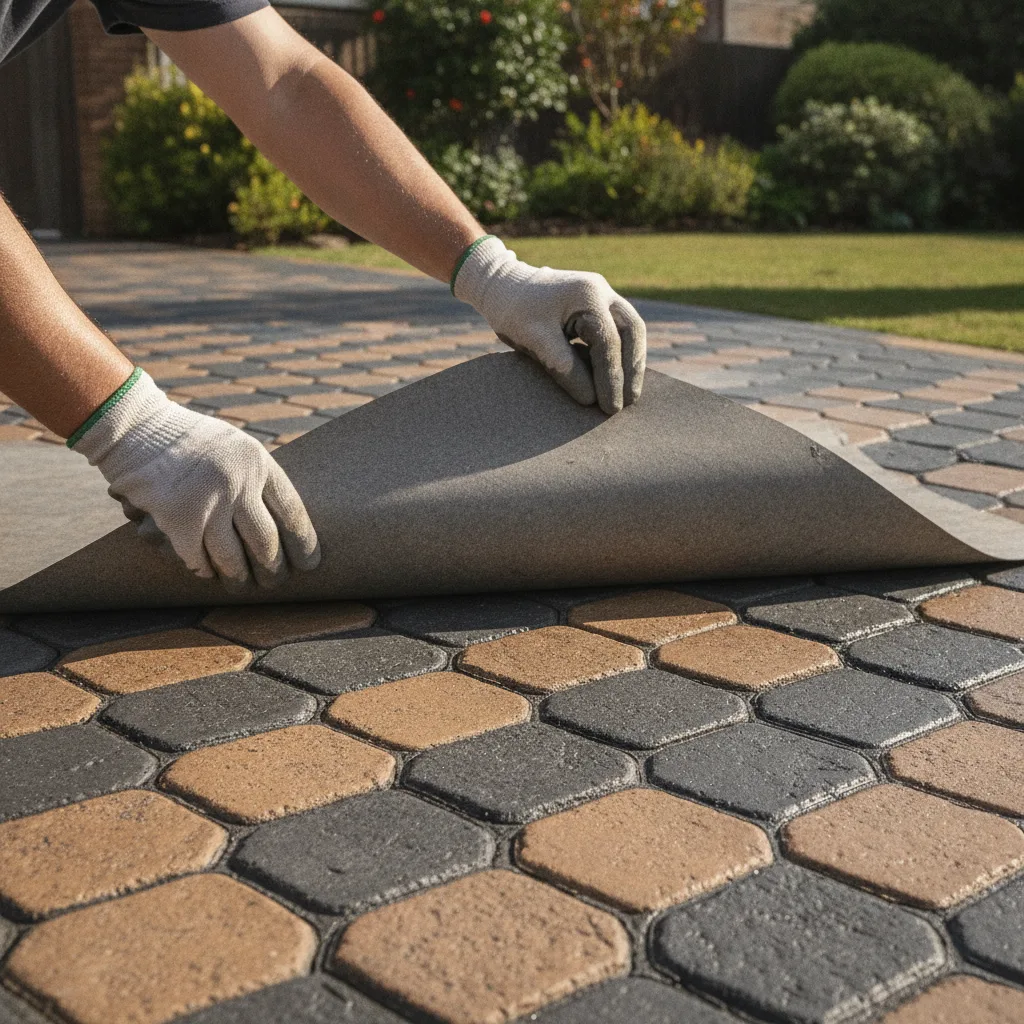
Colourtone stencil systems are a decorative concrete process where a paper or plastic stencil is laid over a freshly placed or existing concrete slab, colour hardener or oxide is broadcast across it, and the stencil is peeled away to reveal a patterned surface that mimics tile, brick or stone. The result is a coloured, textured finish bonded directly into the concrete rather than sitting on top of it.
What exactly goes into a colourtone stencil system?
A colourtone stencil system combines three core components: the stencil itself (a single-use sheet with cut-out pattern shapes), a colour hardener or oxide pigment that is trowelled or broadcast into the concrete surface, and a penetrating sealer that locks in the colour and protects the finish from UV, moisture and foot traffic. The stencil controls where colour lands, so the unmasked areas take on the pigment while the masked areas stay as a contrasting grout line.
The pattern options are genuinely wide. Common choices include ashlar slate, cobblestone, European fan, running bond brick and random flagstone. Because the stencil is a consumable sheet, there is no tooling cost tied to a specific pattern. A client can switch patterns between sections of a job without any major cost penalty, which makes it a flexible option for driveways that transition into a path or entertaining area.
Colour hardeners used in these systems typically contain fine aggregate, cement and iron oxide pigments. They are broadcast at around 3 to 5 kilograms per square metre depending on the depth of colour required. The dry shake is trowelled flat, then the stencil is carefully peeled before the concrete sets hard. Timing here is everything. Pull too early and the grout lines blur. Pull too late and the paper tears, leaving bits embedded in the slab. An experienced crew reads the concrete and moves at the right moment.
How does stencil concrete compare to exposed aggregate or plain concrete?
Stencil concrete sits between plain coloured concrete and exposed aggregate in terms of cost and visual complexity. Plain concrete is the cheapest option but offers no pattern. Exposed aggregate removes the cream layer to reveal the stone below, giving genuine texture underfoot. Stencil concrete delivers a decorative pattern with moderate texture, at a price point that is generally lower than full exposed aggregate because there is less surface prep and no washing-down stage.
For a residential driveway or path in Melbourne, the practical differences come down to three things: slip resistance, maintenance and kerb appeal. Stencil concrete, once sealed, provides reasonable slip resistance. The sealer does need reapplication every few years, typically every three to five years depending on traffic and UV exposure. Exposed aggregate tends to be lower maintenance over the long haul because the aggregate itself is durable and does not rely on a surface sealer for its texture.
That said, stencil concrete wins on versatility when a client wants a specific pattern to match a period home or complement paving already around the property. A bluestone-look ashlar stencil alongside an original Victorian terrace, for example, is a genuinely compelling result that plain concrete simply cannot deliver.
What are the most common colourtone stencil system patterns used in Melbourne?
The most popular stencil concrete patterns in Melbourne tend to mirror the architectural character of local suburbs. Ashlar slate and random flagstone suit the inner north and east where Federation and period homes are common. Cobblestone and fan patterns are frequently chosen for Mediterranean-style homes in the west and outer south-east. Running bond brick works well on narrow paths and side entries because the linear pattern follows the natural direction of travel.
Colour choice matters as much as pattern. Melbourne’s UV levels are moderate compared to Queensland, which means oxide colours hold reasonably well, but a quality UV-stable sealer is still non-negotiable. Charcoal, slate grey, sandstone and terra cotta remain the most requested shades, largely because they read as neutral against brick veneer, rendered facades and weatherboard cladding alike.
Two-tone systems are also common, where a base colour is poured and a contrasting colour is broadcast over the stencil. This creates a grout line in one colour and a tile body in another. It takes more skill to execute cleanly, but the depth of finish is noticeably richer than a single-colour pour.
What should Melbourne homeowners watch out for when getting quotes for stencil concrete?
When comparing quotes for stencil concrete work, Melbourne homeowners should check whether the sealer is included, how many coats are specified, and whether the quote covers edge work and expansion joints. A bare-bones quote that leaves out sealing can look attractive upfront but adds cost later, and an unsealed stencil job will fade and stain quickly.
Other things worth asking about: who supplies the stencil sheets and what pattern library they work from. Not all crews stock the same range, and some operators source cheaper generic sheets that do not hold their shape as well as purpose-made systems. Ask to see a completed job in person, ideally one that is at least two years old. That gives you a realistic picture of how the colour and sealer are holding up rather than a fresh pour that has not yet faced a Melbourne summer.
Concrete prep also matters more than most clients realise. If the base slab is not poured to the right consistency and the surface is not bull-floated and trowelled properly before the stencil goes down, no amount of good pigment will save the result. Query the crew on their concrete mix design and whether they control the pour themselves or rely on a separate concretor. Joined-up crews who manage the whole process from pour to seal tend to produce more consistent results.
At Metal and Flake, we work with stencil concrete as part of our broader decorative concrete services across Melbourne and surrounding areas. Whether you are planning a driveway, path, pool surrounds or an outdoor entertaining area, we can walk you through what a stencil system would look like on your specific slab and soil conditions, and how it fits alongside other finishes we offer.
Book a consult for stencil concrete in your suburb