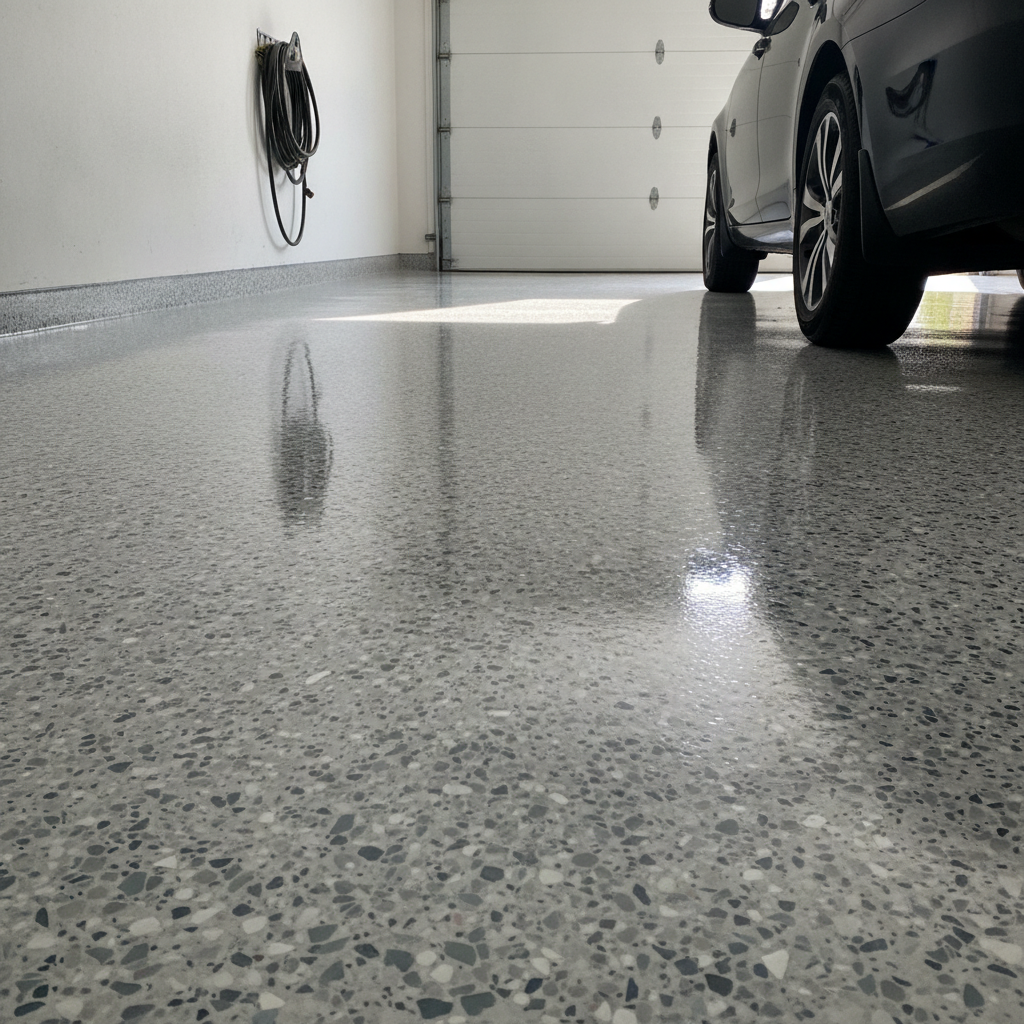
Epoxy Floor Cost for a Garage: What Melbourne Homeowners Pay
The epoxy floor cost for a garage in Melbourne typically ranges from $50 to $120 per square metre, depending on the system chosen, the condition of the existing concrete, and the size of the space. A standard single garage (around 18 m²) usually comes in between $900 and $2,200 fully installed, while a double garage (around 36 m²) runs from $1,800 to $4,300.
What does epoxy floor cost per square metre for a garage?
For a garage in Melbourne, epoxy floor cost per square metre sits between $50 and $120 for a professionally installed system. A basic single-colour solid epoxy coat sits at the lower end, while metallic or flake finishes with a clear topcoat push toward the higher end. Labour, primer coats, and surface prep are almost always included in a proper quote.
To put that in plain figures: a single garage of roughly 18 m² will cost somewhere between $900 and $2,200. A large double garage around 40 m² could reach $4,800 at the premium end. These are real-world Melbourne numbers, not theoretical averages pulled from interstate surveys.
It helps to know what you are actually paying for. A professional epoxy job is not just rolling paint on concrete. It typically involves diamond grinding the slab, applying a penetrating primer, laying one or two epoxy body coats, broadcasting decorative flake or pigment, and then sealing the whole thing with a polyurethane or polyaspartic topcoat. Each of those steps takes time and materials, which is where the cost comes from.
What factors push the epoxy floor cost for a garage higher or lower?
The biggest cost drivers for a garage epoxy floor are the size of the slab, the condition of the concrete, the type of epoxy system selected, and the number of coats applied. A damaged or contaminated slab that needs extensive grinding and patching before coating can add $10 to $20 per square metre to the final bill, because that prep work is labour-intensive and cannot be skipped without risking coating failure.
Here is a practical breakdown of the main variables:
- Concrete condition. Fresh, clean slabs cost the least to prep. Old slabs with oil staining, cracks, or previous coatings take longer to grind back and may need crack filler, raising prep costs.
- System type. A solid colour single-coat system is the most affordable. A full flake system (base coat, broadcast flake, lock coat, topcoat) adds more material and time. Metallic epoxy with its swirled, three-dimensional look sits at the premium end.
- Number of coats. A two-coat system is standard for light residential use. High-traffic garages, or those used as workshops, benefit from three coats, which costs more but lasts significantly longer.
- Topcoat choice. Polyurethane topcoats are common and cost-effective. Polyaspartic topcoats cure faster and resist UV yellowing better, but they add to the price.
- Access and obstacles. If the garage is cluttered and requires clearing, or has fixed workbenches and cabinetry the installer has to work around, expect a small surcharge.
Is a cheap DIY epoxy kit a real alternative to a professional garage floor coating?
DIY epoxy kits for a garage typically cost between $150 and $400 for a single garage, but they use water-based epoxy at much lower solids content than professional-grade products. Most hardware store kits contain around 30 to 40 percent solids, compared to 70 to 100 percent solids in a commercial system. That difference in solids content translates directly into a thinner, weaker film that chips, peels and scuffs faster under tyre traffic.
The hidden cost of a DIY kit is the prep. Professional installers use diamond grinders or shot blasters to open the concrete surface so the epoxy bonds properly. Without that mechanical profile, even a decent epoxy product can delaminate within a year or two, especially in a Melbourne garage where summer slab temperatures regularly exceed 30°C. A failed DIY job then needs to be stripped before a proper coating can be applied, adding cost on top of cost.
For a purely decorative space that sees almost no traffic, a DIY kit can work fine. For a working garage that parks cars, stores tools, or doubles as a workshop, a professional system is the more economical choice over a five to ten year horizon.
How long does a professional epoxy garage floor last, and does that affect value for money?
A properly installed professional epoxy system in a residential garage will typically last 10 to 20 years before it needs significant attention, assuming normal use and occasional cleaning. The longevity depends heavily on the topcoat: a quality polyaspartic or polyurethane clear coat protects the decorative layer underneath from abrasion, chemicals and UV exposure. Without that topcoat, the colour coat can dull and scratch within a few years.
When you factor in that lifespan, the per-year cost of a professional garage floor is quite reasonable. A $3,000 job on a double garage that lasts 15 years works out to $200 a year. That is less than most households spend on garden maintenance annually, and the floor stays functional and good-looking the entire time.
Maintenance is straightforward: sweep regularly to remove grit (which is the main source of surface scratches), mop with a pH-neutral cleaner when needed, and avoid leaving harsh chemicals sitting on the surface. Tyre marks from hot tyres can occasionally stain lighter-coloured systems, so choosing a mid-tone or flake finish in a busy garage is practical advice worth taking.
What should a proper epoxy garage floor quote include?
A reliable quote for an epoxy garage floor should itemise surface preparation (type and extent of grinding), primer coat, body coat or coats with the specific product named, any decorative elements like flake broadcast, and the topcoat product. It should also state the expected dry-film thickness in microns, which tells you how much coating is actually going on the floor. Vague quotes that just say “epoxy floor, supply and install” are a red flag, because you have no way of knowing what system is being used or how many coats are included.
Ask the installer what happens if the concrete has hidden issues, like a moisture problem or deep oil contamination that only shows up once grinding starts. A reputable contractor will have a clear process for handling that rather than just asking for more money on the day.
Always check that the installer carries public liability insurance. Epoxy work involves grinders, chemicals and open slabs, and you want to know you are covered if something goes wrong on your property.
Getting at least two or three quotes is sensible. When you compare them, focus on the system specification, not just the bottom-line number. The cheapest quote often uses fewer coats or a thinner product, which is a short-term saving that costs more in the long run.
Get an accurate epoxy garage floor cost estimate from Metal and Flake.