Epoxy Flake Floors: What They Are and Why Homeowners Love Them
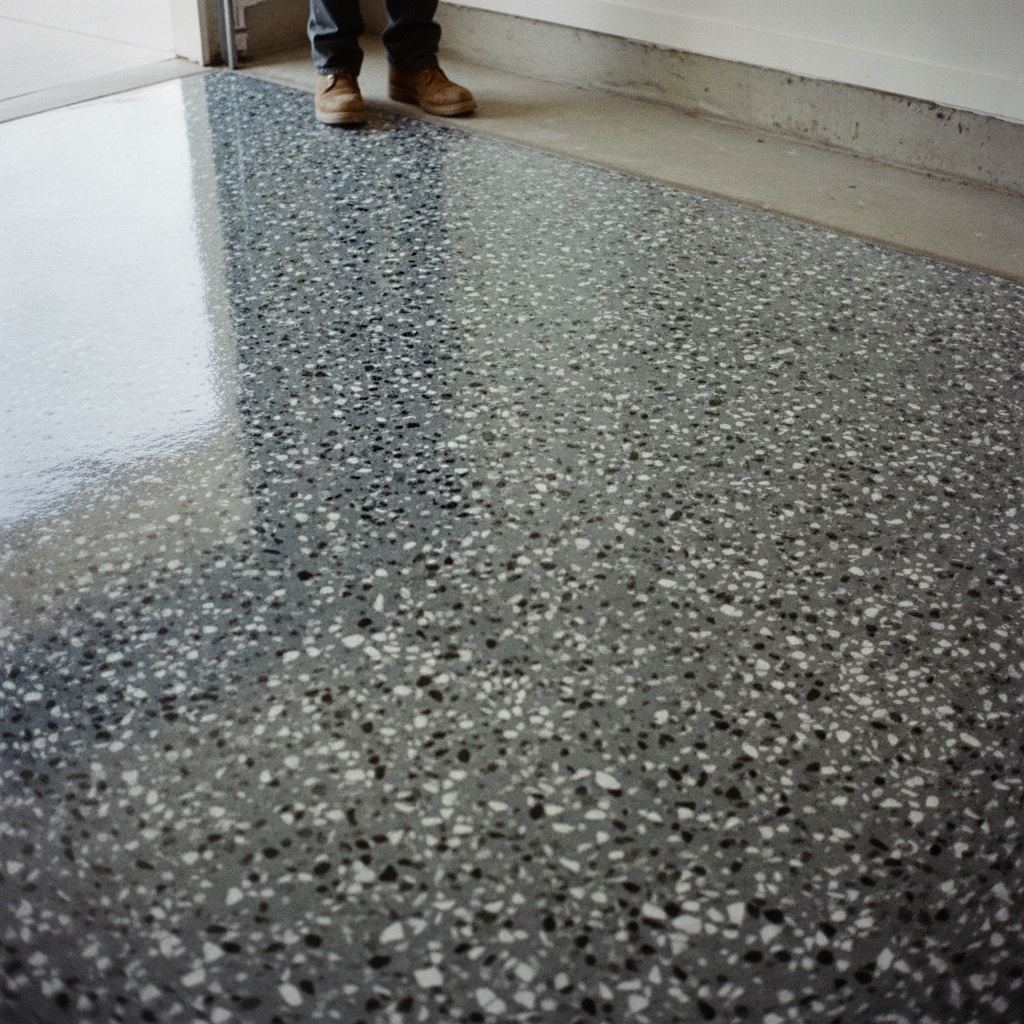
Epoxy flake floors are a multi-layer flooring system where decorative vinyl or acrylic flakes are broadcast into a wet epoxy base coat, then sealed under a clear topcoat. The result is a surface that is tough, slip-resistant, easy to clean and good-looking. They suit garages, laundries, workshops and living areas, and they last well over a decade with minimal upkeep.
What exactly goes into an epoxy flake floor system?
An epoxy flake floor is made up of three core layers: a prepared concrete substrate, a pigmented epoxy base coat, and a hard-wearing polyurethane or epoxy clear topcoat. The decorative vinyl or acrylic flakes are scattered into the wet base coat before it cures, creating a speckled finish that hides minor surface imperfections and adds texture underfoot.
The base coat is the workhorse. It bonds chemically to the concrete, which is why proper surface preparation matters so much. Professionals grind or shot-blast the slab to open up the pores so the epoxy can grip. Skip that step and no amount of expensive coating will stop the floor from peeling down the track.
The flakes themselves come in dozens of colour blends. Common combinations run from neutral grey and beige mixes through to bold charcoal-and-white or earthy sandstone tones. The size of the flake also varies. A fine sprinkle gives a refined, almost terrazzo-like look. A full-broadcast coverage, where flakes are thrown until they overlap completely, creates a chunkier texture that hides dirt really well and adds meaningful slip resistance.
On top of the flakes goes the clear topcoat. Polyurethane topcoats are popular in Melbourne because they resist the UV that comes through garage doors and skylights, so the colour stays true rather than yellowing over time.
Why do epoxy flake floors perform so well in garages and high-traffic areas?
Epoxy flake floors perform well in garages and high-traffic areas because the cured system reaches a compressive strength that far exceeds standard concrete, the textured flake surface adds grip underfoot, and the sealed topcoat resists oil, chemicals, water and abrasion. That combination makes them one of the most practical choices for working floors in Australian homes.
Take a typical double garage. Bare concrete absorbs oil drips, tyre marks and garden chemical spills. Once stained, concrete is nearly impossible to restore without grinding. An epoxy flake floor changes that equation completely. Spills sit on the surface and wipe up with a damp cloth. Tyre rubber does not bond to the cured topcoat the way it does to raw concrete, so the black skid marks that plague bare slabs are not a problem.
The slip resistance is worth calling out separately. The texture created by the broadcast flakes gives the floor meaningful grip, even when wet. That matters in Melbourne homes where a garage doubles as a workshop, a laundry or a mudroom entrance, and wet boots are a daily reality through winter.
Durability figures in, too. A properly installed epoxy flake system on a well-prepared slab can hold up for 15 to 20 years in a residential garage before it needs any serious attention. Compare that to a painted concrete floor, which typically starts flaking and peeling within two to three years, and the value equation becomes clear.
Are epoxy flake floors only for garages, or can they work inside the home?
Epoxy flake floors work well beyond the garage. They are a practical and attractive choice for laundries, workshops, pool surrounds, patios and even interior living spaces. The key consideration indoors is choosing a low-VOC formulation during installation and ensuring good ventilation, because the curing process does produce fumes that need to clear before the space is occupied.
In Melbourne, more homeowners are bringing epoxy flake systems into laundries and mudrooms. These rooms take a beating: wet shoes, pet paws, washing machine overflow and cleaning chemicals are all part of daily life. Tiles crack and grout discolours. Vinyl lifts at the seams. An epoxy flake floor is seamless, so there are no joints for water to sneak under, and it handles the moisture without complaint.
Some homeowners go further and use flake floors in rumpus rooms, home gyms and studio spaces. The aesthetic has broadened well beyond the traditional grey garage look. With the range of flake blends now available, a well-chosen colour scheme can look genuinely sharp in a living environment rather than industrial.
One honest caveat: epoxy floors are hard underfoot. In a living room where you are walking barefoot for long stretches, that hardness is noticeable. In a gym, laundry or garage, it is a non-issue. Matching the product to the actual use of the space is the sensible approach.
How does the installation process for epoxy flake floors actually work?
Installing epoxy flake floors involves grinding or shot-blasting the concrete to create a mechanical profile, repairing any cracks or surface defects, applying the pigmented epoxy base coat, broadcasting the flakes while the coat is wet, removing excess flakes once cured, and finishing with one or two clear topcoat layers. The whole process typically takes two to three days including cure time.
Day one is almost always preparation. The grinder or shot-blaster passes over the entire slab, raising a fine dust and creating a rough profile that the epoxy can bond to. Any cracks get filled and levelled. This is the part that separates a floor that lasts from one that fails early. It is not glamorous work, but it is the most important step in the whole job.
Day two is the application. The base coat goes down and the flakes go in immediately after, while the epoxy is still tacky. Installers work in sections to keep up with the open time of the product. Once the base coat cures overnight, the excess flakes are scraped back and the surface is lightly sanded to knock down any sharp edges.
Day three is the topcoat. One or two coats of clear polyurethane or epoxy sealer lock everything in. Then the floor needs to cure before foot traffic, typically 24 hours, and before vehicle traffic, usually 48 to 72 hours depending on temperature and humidity. Melbourne’s cooler winters can extend cure times slightly, so planning around the season is worth doing.
What should homeowners look for when choosing an epoxy flake floor installer?
When choosing an epoxy flake floor installer, homeowners should look for evidence of proper concrete preparation equipment, product knowledge about the specific coatings being used, a portfolio of completed residential work and clear communication about cure times and aftercare. A cheap quote that skips surface prep will cost more to fix than a quality job done right the first time.
Ask directly: do they grind or shot-blast the concrete before coating? If the answer is no, or is vague, that is a signal to keep looking. Proper mechanical preparation is non-negotiable for a system that bonds correctly and lasts.
Ask about the specific products they use. A quality installer can name the brand and grade of their base coat and topcoat and explain why they chose it. They should also be honest about what the floor will and will not handle, and give you real guidance on maintenance: how to clean it, what products to avoid and when to expect it might need a refresh coat down the line.
Finally, look at their previous work. Photos of finished floors across different homes, different colour blends and different spaces give you a realistic picture of what to expect. Word-of-mouth referrals from people in your suburb carry real weight too.
Get a free quote on epoxy flake flooring installation from Metal and Flake.