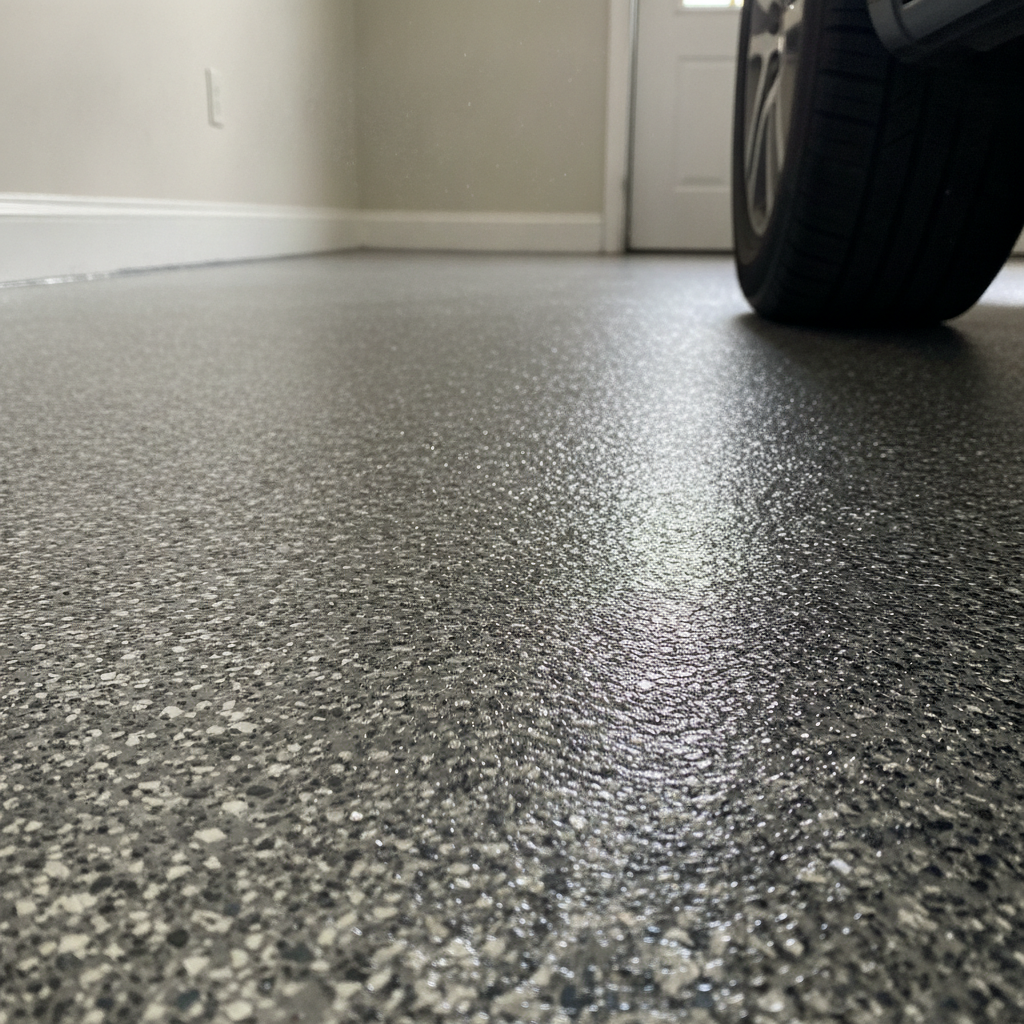
Epoxy Garage Floor Coating Cost: 2026 Pricing Guide for Melbourne
Epoxy garage floor coating in Melbourne typically costs between $30 and $80 per square metre, depending on the system used, the condition of the slab, and the finish you choose. A standard single-car garage of around 20 sqm will usually land between $600 and $1,600 fully installed. Flake and metallic systems sit toward the higher end of that range.
What does epoxy garage floor coating cost per square metre in Melbourne?
For most Melbourne garages, expect to pay $30 to $50 per sqm for a basic solid-colour epoxy, $45 to $65 per sqm for a flake (chip) broadcast system, and $60 to $80 per sqm for a full metallic or decorative finish. These figures cover materials, surface preparation and installation by a professional applicator. DIY kits from hardware stores run $10 to $20 per sqm but rarely include proper primer or a UV-stable topcoat, so they tend to peel within a couple of years.
To put that in plain dollar terms for common garage sizes:
- Single garage (18 to 22 sqm): $540 to $1,760
- Double garage (35 to 42 sqm): $1,050 to $3,360
- Triple or oversized garage (55 to 70 sqm): $1,650 to $5,600
These are realistic ballparks. Your actual quote can move quite a bit based on the factors covered below.
What factors push epoxy garage floor coating cost up or down?
The four biggest cost drivers are the condition of the concrete, the system chosen, the number of coats and the size of the job. A slab with heavy oil staining, cracks or a previous coating that needs grinding back will cost more to prep. Preparation alone, done properly with a diamond grinder or shot blaster, can represent 30 to 40 percent of the total job cost, but skipping it is the main reason budget coatings fail early.
Here is a breakdown of what moves the needle:
- Concrete condition. Fresh, clean concrete is the cheapest starting point. Old oil-stained or previously sealed slabs need more prep time and sometimes chemical treatment before any coating can bond.
- Crack and spall repair. Minor cracks are usually filled as part of the job. Significant structural cracking or surface spalling adds to the quote and is worth addressing properly rather than coating over.
- Coating system. A two-coat solid epoxy is cheaper than a three-coat flake system, which is cheaper again than a multi-layer metallic pour with a polyaspartic topcoat. Each step up adds durability and visual impact.
- Topcoat type. Polyaspartic and polyurethane topcoats cost more than a standard epoxy clear, but they resist UV yellowing and abrasion far better. For a Melbourne garage that gets afternoon sun, this matters.
- Access and logistics. Tight driveways, steps up to the garage or the need to work around stored items all add labour time.
Is a flake or metallic finish worth the extra cost?
For most homeowners, yes. Flake broadcast systems hide tyre marks, light scratches and dust far better than a solid colour, and they add texture that reduces slip risk on a wet floor. Metallic epoxy systems deliver a genuinely striking finish that can look like polished concrete or a liquid pour, and they are unique because no two floors come out identical. The extra $15 to $25 per sqm over a basic coat pays for years of easier cleaning and a floor that still looks sharp after a decade of daily use.
The cost difference between a flake system and a solid epoxy on a standard double garage is typically $500 to $1,000. When you spread that over a floor that should last 10 to 15 years with proper maintenance, it works out to less than $100 a year. Put it next to the cost of resurfacing concrete or replacing damaged flooring, and the premium finish is genuinely good value.
Why does surface preparation affect the epoxy garage floor coating cost so much?
Surface preparation is the single biggest variable in any coating quote, and it is the part most DIYers underestimate. Epoxy bonds chemically to concrete, but only if the surface is open, clean and profiled correctly. Professional applicators use diamond grinding equipment or, on larger jobs, shot blasters to achieve a surface profile similar to 60 to 80 grit sandpaper. That mechanical key is what allows the coating to grip and stay gripped under the stress of hot tyres, foot traffic and chemical exposure.
When a contractor quotes cheap and fast, it is almost always the prep that gets cut short. The coating might look fine on day one, but delamination (bubbling or peeling) shows up within 12 to 18 months, particularly in areas where cars park and heat builds up. Redoing a failed floor costs more than doing it right the first time, because you have to strip the failed coating before you can start again.
Expect a reputable applicator to spend a meaningful portion of the job day just on prep. If someone quotes you and never mentions grinding or shot blasting, ask the question directly.
How do you get an accurate quote for your garage floor?
Getting an accurate quote comes down to a few practical steps. First, measure your garage floor properly, including any alcoves or workshop bays, because that is what you are paying to coat. Second, be upfront about the current state of the slab. Oil stains, previous paint or sealers, cracks and moisture issues all need to be declared so the contractor can price them in rather than discover them on the day and adjust costs.
Ask each applicator to specify:
- What preparation method they will use (grinding, shot blasting, acid etching)
- How many coats are included and what products are being used
- Whether the topcoat is standard epoxy clear, polyaspartic or polyurethane
- What the warranty covers and for how long
Comparing quotes that specify all of this is far more useful than comparing bottom-line numbers alone. A quote that is $400 cheaper but uses two coats instead of three on a contaminated slab is not the same job.
One more thing worth knowing: Melbourne’s climate does affect application timing. Epoxy should not be applied in temperatures below 10 degrees Celsius or above 30 degrees, and high humidity can interfere with curing. Winter months may limit scheduling options, and a good applicator will factor that into planning rather than push ahead in borderline conditions and risk a compromised finish.
If you are weighing up whether to coat just the main parking bay or the full floor including a workshop bench area, coating the whole space in one hit is almost always more cost-effective than doing it in stages. You save on setup, prep and mobilisation costs, and you get a consistent finish throughout.
Get an accurate garage floor coating quote from Metal and Flake.