How to Choose Epoxy Flooring Installers in Melbourne
Choosing epoxy flooring installers in Melbourne comes down to four things: proper surface preparation, quality two-part epoxy products, a clear written warranty, and a local installer who will still be around if something goes wrong. Ask about all four before you sign anything, and you will avoid most of the common horror stories homeowners and business owners run into.
Why does surface preparation matter so much when hiring epoxy flooring installers?
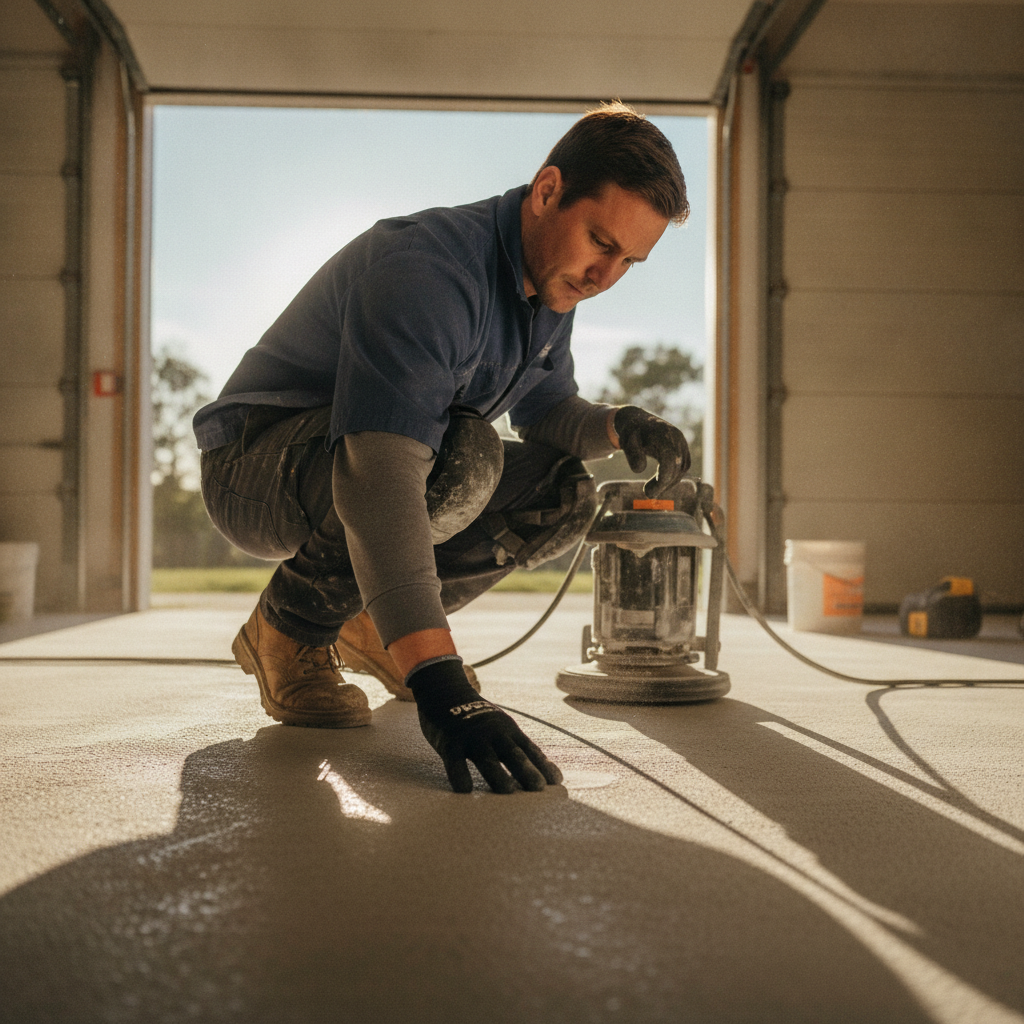
Surface preparation is the single biggest factor in whether an epoxy floor lasts five years or twenty. Proper prep involves grinding or shot-blasting the concrete to open the surface profile, removing any oil, moisture or old adhesive, and patching cracks before a single drop of epoxy goes down. Skip or rush that step, and the coating will peel within months regardless of how expensive the product is.
A good rule of thumb: if an installer quotes you a price over the phone without asking about the age of your slab, whether it has any existing coatings, or whether there is under-slab moisture, treat that as a yellow flag. Experienced epoxy flooring installers will want to see the floor first. Diamond grinding is the industry-standard method for achieving a concrete surface profile (CSP) of around 2 to 3, which is the sweet spot for most residential and light-commercial epoxy systems. Ask your installer directly: “What method do you use to prep the concrete, and how do you check for moisture?” Their answer will tell you a lot.
How do you compare epoxy flooring products and systems across different installers?
Not all epoxy is the same. You want a genuine two-part, 100% solids or high-solids epoxy system, not a single-part water-based paint that happens to have the word “epoxy” on the label. A quality system typically includes a penetrating primer coat, a pigmented base coat, a decorative layer (such as colour flake or metallic pigment), and a clear polyurethane or polyaspartic topcoat for UV stability and abrasion resistance.
When you are comparing quotes, ask each installer to name the specific product system they use and whether it meets Australian standards for your application. For garage floors, you want a system rated for vehicle traffic and hot tyre pick-up resistance. For a commercial kitchen or warehouse, slip resistance and chemical resistance matter more. Metallic and decorative flake finishes add a visual layer but the structural performance still comes from the base system underneath. Do not be afraid to Google the product brand they mention: reputable suppliers like Rust-Oleum, Duraamen or local Australian commercial-grade brands will have clear technical data sheets available online.
What should you look for in an epoxy flooring installer’s quote and warranty?
A trustworthy quote will be itemised. It should list surface preparation, primer, base coat, decorative layer and topcoat as separate line items, not just a single lump sum per square metre. That transparency lets you compare apples with apples when you have multiple quotes in hand. Anything that just says “supply and install epoxy floor” with no further detail is worth questioning.
On warranties: a quality residential epoxy floor should carry at least a two to five year workmanship warranty from the installer, separate from any product warranty offered by the manufacturer. Ask whether the warranty covers peeling, delamination and colour fade. Get it in writing. Some installers will offer a warranty verbally but go quiet when you follow up. If a company has been operating in Melbourne for several years and has a physical contact address (not just a mobile number and a Gmail address), that is a reasonable sign they intend to be around to honour their commitments.
What red flags should you watch out for with epoxy flooring installers in Melbourne?
There are a handful of patterns that show up again and again with substandard jobs. Watch for these before you hand over a deposit.
The first is no site visit. As mentioned above, quoting without seeing the slab is a shortcut that almost always leads to problems, either during installation or when the floor starts failing early.
The second is a very low price with no explanation. Epoxy flooring involves real material costs: a commercial-grade two-part system alone can run to $15 to $30 per litre before labour. If a quote is dramatically cheaper than others, something is being cut, usually prep time, product quality or both.
The third is no portfolio or references. Any installer who has been laying epoxy floors in Melbourne for a reasonable period will have photos of completed jobs and happy customers willing to talk. Ask for both. A quick drive past a finished garage or warehouse floor is worth more than any brochure.
The fourth is pressure to decide immediately. “This price is only good today” is a sales tactic, not a sign of a good tradesperson. A confident installer with a full schedule does not need to pressure you.
How do local Melbourne epoxy flooring installers differ from national franchise operators?
Local, owner-operated businesses tend to live or die by their reputation in a specific area. For Melbourne homeowners and small business owners, that usually means more accountability: the person quoting the job is often the same person laying the floor. They rely on word of mouth in suburbs like Dandenong, Frankston, Geelong and across the inner metro, so they have a strong incentive to get it right.
National franchise models are not automatically bad, but the quality can vary significantly from one franchisee to the next, and the head office warranty means little if the local operator closes down. When you are investing in a floor that is meant to last a decade or more, knowing who to call if something goes wrong is genuinely important.
Also worth noting: local installers are more familiar with Melbourne’s variable climate. Concrete in coastal suburbs can hold more moisture than slabs further inland, and hot summer days can affect pot life (the working time of mixed epoxy) significantly. An experienced local operator will adjust their process accordingly, whereas someone following a generic national script may not.
What questions should you ask before hiring epoxy flooring installers?
Here is a practical shortlist you can use on any installer you speak to. Write down the answers so you can compare them side by side.
- Do you do a site visit before quoting?
- What method do you use for surface preparation, and how do you test for moisture?
- What specific product system do you use, and can you share the technical data sheet?
- Is your quote itemised, and what is included in the prep stage?
- What warranty do you offer, and is it in writing?
- Can I see photos of similar jobs you have completed in Melbourne?
- How long have you been installing epoxy floors, and are you fully insured?
Any installer worth hiring will answer all of those questions confidently and without hesitation. If you get vague answers or pushback, that tells you something useful too.
Taking thirty minutes to ask the right questions before you book can be the difference between a floor that looks sharp and holds up for years, and one that starts bubbling or peeling before the first winter is out. Do the homework, get at least three quotes, and trust your gut about who communicates clearly and treats you as a real person rather than just a job number.
Get a quote from a local epoxy installer