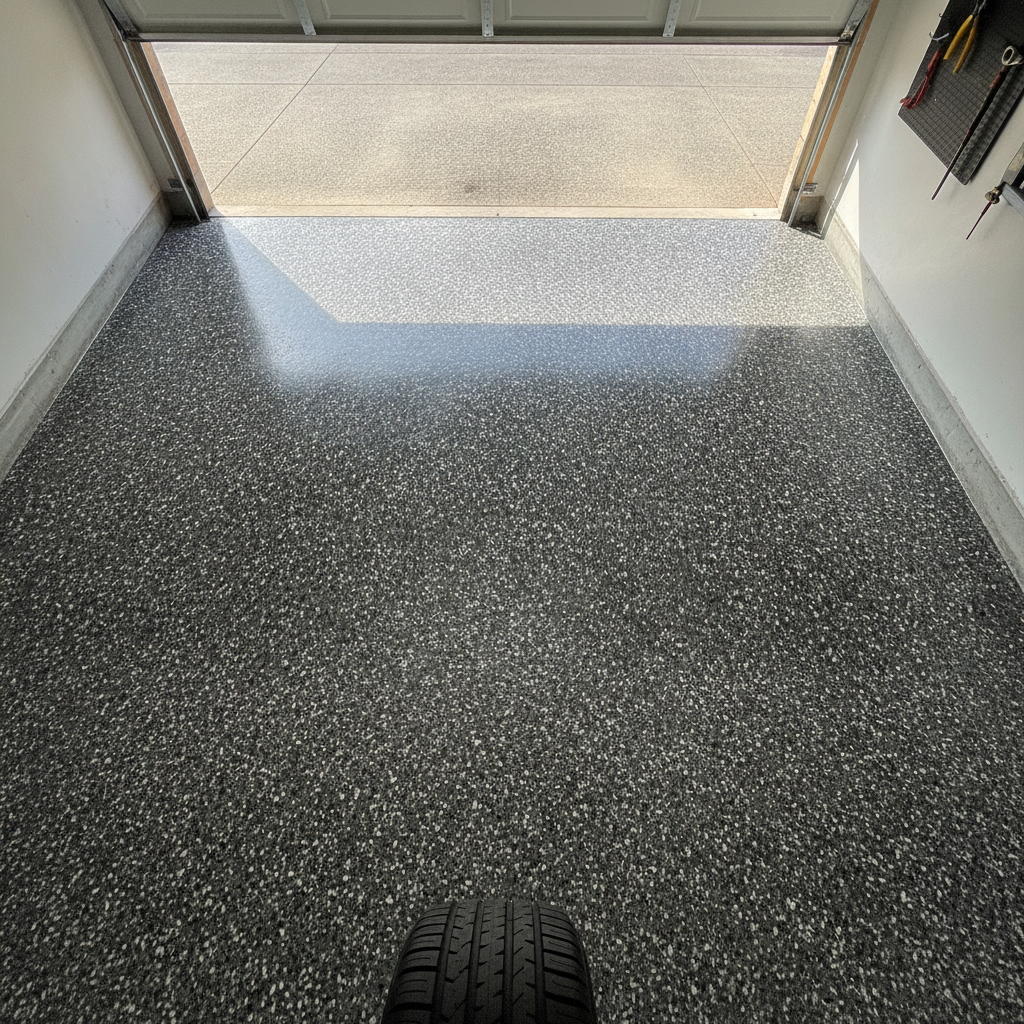
Epoxy Flake Flooring in Preston: What Inner-North Homeowners Choose
Epoxy flake flooring in Preston is a broadcast-flake epoxy system where coloured vinyl chips are scattered across a wet epoxy base coat and sealed with a clear topcoat. It delivers a tough, slip-resistant, easy-to-clean surface that suits garages, workshops, and living areas. The result is a floor that looks sharp, hides dirt well, and holds up to daily punishment for well over a decade with normal care.
Why is epoxy flake flooring so popular with Preston homeowners right now?
Preston homeowners are choosing epoxy flake because it solves three problems at once: it covers tired, stained concrete without the cost of replacement, it adds grip underfoot in damp Melbourne conditions, and it gives a finished, professional look that plain grey concrete simply cannot match. The flake pattern also breaks up any surface imperfections that would show through a solid-colour system.
The inner north of Melbourne has a dense mix of post-war brick homes, California bungalows, and newer knockdown rebuilds. A huge proportion of them sit on concrete slabs, and those slabs spend decades collecting oil drips, tyre marks, and the general grime that comes with a busy household. When owners get around to upgrading the garage or a utility room, they want something that looks deliberate, not just painted.
Epoxy flake hits that brief. The vinyl chip broadcast creates a terrazzo-like texture at a fraction of the price of real terrazzo. You can match the chips to almost any interior palette, which means the garage floor can actually coordinate with the rest of the house rather than hiding in shame behind a closed door.
What does the epoxy flake installation process actually involve?
A professional epoxy flake installation follows a strict sequence: the concrete is ground or diamond-blasted to open the surface, any cracks or pits are filled, the base epoxy coat is applied, the vinyl flakes are broadcast across the wet surface until full coverage is reached, excess flake is scraped back, and then one or two clear polyurethane or polyaspartic topcoats seal everything in. Done correctly, the whole process typically takes two days on a standard garage.
The surface preparation stage is the one that separates a long-lasting floor from one that peels inside eighteen months. Concrete needs to be mechanically opened so the epoxy bonds at a pore level, not just sits on top. In Preston and through much of the inner north, older slabs can have residual curing compounds or contamination from years of use. Skipping a proper grind on that kind of surface is asking for delamination.
Once the base coat is down, the flake broadcast happens fast. The installer walks the slab throwing handfuls of chip until the surface is fully covered (a “full broadcast” method), which gives maximum coverage and makes the final topcoat sit on a relatively flat bed of chip rather than on bare epoxy. This is what creates the grip underfoot and the dense, speckled finish people are after.
The topcoat is where the durability lives. A good polyaspartic topcoat is UV-stable, which matters in garages with roller doors that see direct afternoon sun, and it resists the hot-tyre pickup that plagues cheaper systems. Preston gets its share of scorching summer afternoons, so UV stability is genuinely relevant, not just a sales point.
How long does epoxy flake flooring last on a Preston garage floor?
A correctly installed epoxy flake floor on a well-prepared concrete slab should last fifteen to twenty years in a typical residential garage before it needs any significant attention. The main variables are surface prep quality, the thickness of the topcoat, and how hard the floor is used day to day. Light foot traffic and occasional car parking will get you closer to the top of that range.
Maintenance is straightforward. A neutral-pH cleaner and a mop handle the weekly routine. Avoid dragging metal objects across the surface and clean up any chemical spills (battery acid, brake fluid) promptly, and the floor will stay looking close to new for years. The flake pattern does a great job of masking fine scuffs that would be obvious on a solid-colour floor, so it tends to age gracefully.
The one thing that shortens epoxy floor life in older Melbourne homes is rising moisture. If a slab has no damp-proof membrane underneath, or if it has one that has degraded, moisture vapour can push up from the ground and pressurise beneath the epoxy coating. A qualified installer will test for this before committing to a standard epoxy system and recommend a moisture-tolerant primer if needed.
What colours and flake blends work best for Preston homes?
Neutral blends, specifically grey, charcoal, and beige chip mixes, are consistently the most requested for Preston garages and alfresco areas because they sit well with the brick tones and weatherboard colours common in the suburb. Darker charcoal bases with a mixed flake broadcast give a contemporary industrial feel that suits the updated Californian bungalow style popular in the area.
That said, the beauty of a flake system is that the chip blends are almost infinitely variable. Some homeowners go for a tan and cream mix to complement a light-toned interior. Others pick a bold blue or green chip blend for a workshop or home gym floor where they want the space to feel energetic. The clear topcoat locks in whatever you choose without dulling the colour.
Size matters too. Standard flake is around 1mm to 4mm chip size, which gives the familiar terrazzo-style texture. Larger chip sizes (up to about 12mm) create a more coarse, highly textured surface that is popular in areas where wet feet are common, like pool surrounds or laundry entries. Smaller chips create a finer, almost granite-like appearance that some homeowners prefer for rooms connected to the main living area.
Is epoxy flake flooring the right choice for indoor living spaces in Preston?
Epoxy flake is increasingly being used inside Preston homes in laundries, utility rooms, and even open-plan kitchen and dining areas where the owner wants a durable, low-maintenance floor with a polished industrial character. It performs well indoors provided the concrete substrate is sound, the space has reasonable ventilation during installation, and the right topcoat is chosen for the traffic level expected.
The key consideration indoors is VOC (volatile organic compound) content during application. Modern water-based epoxy systems and fast-cure polyaspartic topcoats have significantly lower odour and off-gassing than older solvent-based products, making indoor installation practical in occupied homes with good airflow. Most residential indoor installs are liveable again within twenty-four to forty-eight hours of the final topcoat going down.
For living areas, the slip resistance of the cured flake surface is another genuine advantage. A full-broadcast flake floor with a matte or satin topcoat sits at a coefficient of friction well above the threshold recommended for residential wet areas, making it a sensible choice for households with kids or older residents.
Preston homeowners looking to bring cohesion to a concrete-floored extension or conversion will find that epoxy flake bridges the gap between the raw industrial look and something warm enough for everyday living, without the grout lines and maintenance headaches of tiles.
Ready to get a proper floor under your feet? Book an epoxy flake floor installation in Preston with Metal and Flake.